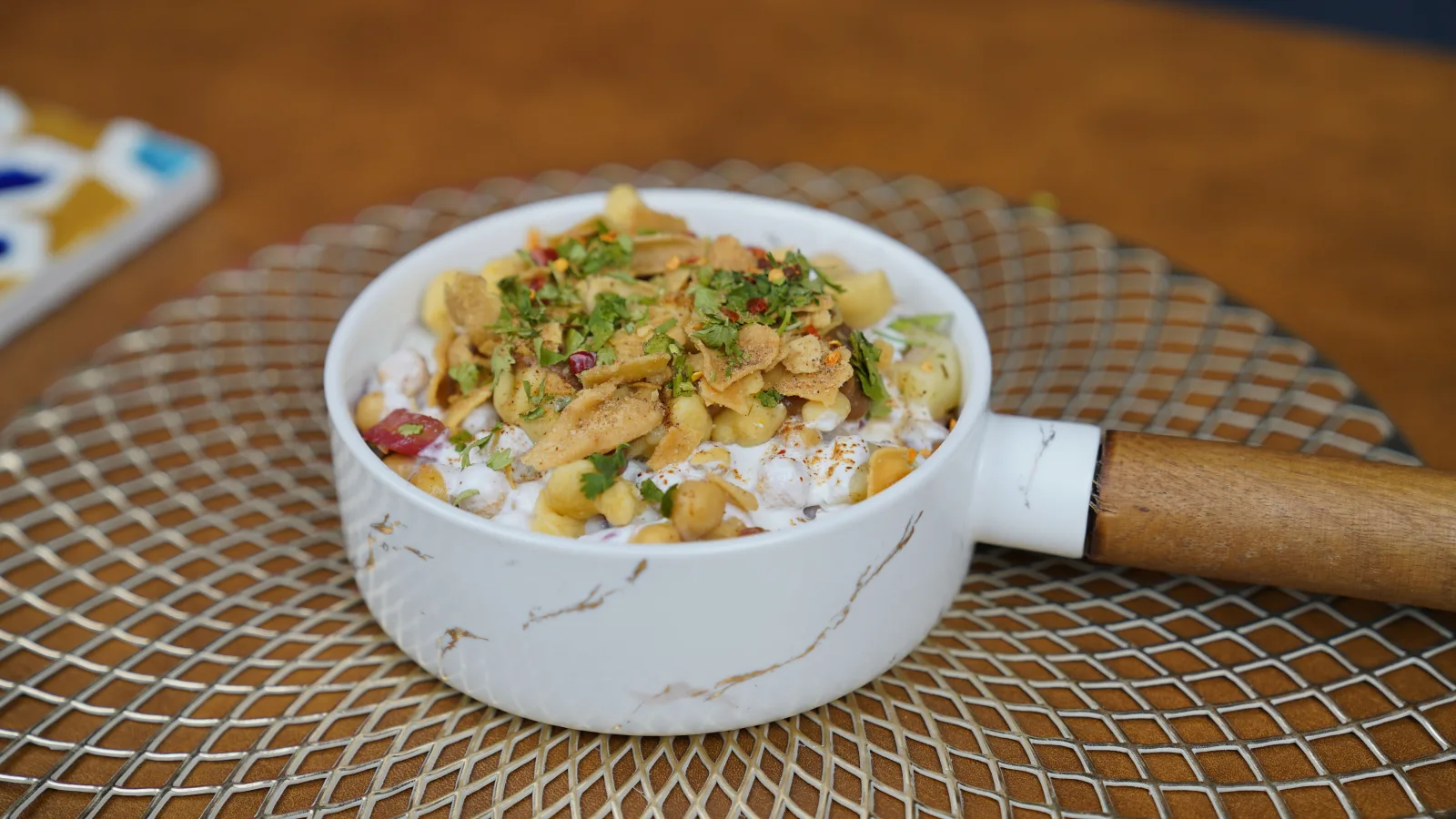
Sabudana Khichdi
Soft, separate pearls of tapioca tossed with crunchy peanuts, potato, cumin and green chilli. A light, gluten-free breakfast that comes together quickly once the sabudana is soaked.
Ingredients
Equipment: Wide non-stick pan or karahi, medium bowl, colander, small dry pan for roasting peanuts
Method
Place the sabudana in a bowl and rinse under cold water, swirling with your hand, until the water runs almost clear. Drain well in a colander.
Return the drained sabudana to the bowl and add 0.75 cup water so it just covers the pearls. Cover and leave for 4 to 6 hours or overnight. Do not add more water or they will turn gluey.
Check that the pearls are ready: press one between your fingers and it should squash easily with no hard white centre. If a few are still firm, sprinkle with 1 to 2 tbsp water and rest 30 minutes more.
Dry-roast the peanuts in a small pan over medium heat for 4 to 5 minutes, shaking often, until they have brown spots and smell nutty. Cool, rub off most skins, and crush coarsely.
Gently mix the crushed peanuts, sugar and salt into the soaked sabudana with a fork, keeping the pearls separate.
Heat the ghee in a wide pan over medium heat. Add the cumin seeds and let them sizzle for 20 to 30 seconds, then add the green chillies and curry leaves.
Add the potato cubes with a splash of water, cover and cook on medium-low for 6 to 8 minutes, stirring now and then, until a knife slides in easily and the edges are lightly golden.
Add the sabudana mixture and toss gently over medium heat for 3 to 4 minutes. It is done when the pearls turn translucent and feel soft and bouncy, not sticky. Avoid high heat and heavy stirring.
Turn off the heat, stir in the lemon juice and coriander, and top with coconut if using. Taste and adjust salt. Serve hot.
Cooking tips
- Rinse until the water is clear. Surface starch is the main cause of clumpy khichdi.
- Use only just enough water to cover the pearls when soaking. Brands vary, so test one pearl before cooking.
- Cook on moderate heat and stir gently. Once the pearls turn translucent, stop cooking so they do not go rubbery.
- Add the salt to the sabudana just before cooking, not during soaking, so the pearls stay loose.
Substitutions
- Use oil instead of ghee for a dairy-free version.
- Swap the potatoes for boiled and cubed sweet potato, adding them with the sabudana.
- If raw peanuts are unavailable, use roasted unsalted peanuts and skip the roasting step.
- Use a squeeze of lime or a pinch of amchur powder in place of lemon juice.
Serve with
"Serve hot with plain yoghurt, a wedge of lemon and a cup of masala chai. A little sweet-sour green chutney on the side goes well."
Storage
Best eaten fresh. Refrigerate leftovers in an airtight container for up to 1 day.
Reheating
Warm in a non-stick pan over low heat with a teaspoon of water or ghee, stirring gently for 2 to 3 minutes, or microwave covered in short bursts until hot throughout.
Nutrition per serving, estimated
Estimated from the ingredient list. Values vary with brands and portion size.
Indian kitchen
 Indian
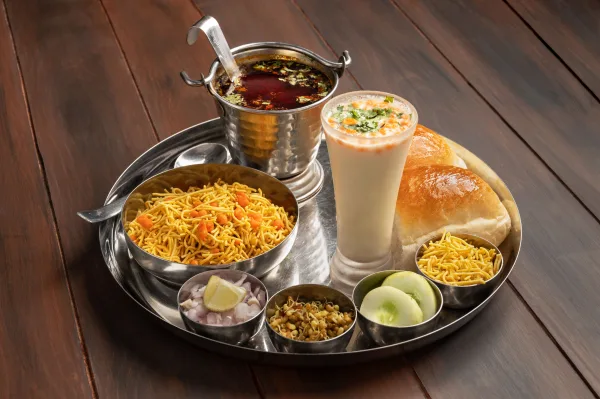
Misal Pav
A Maharashtrian-style breakfast of tender sprouted beans in a spicy coconut and onion gravy, topped with crunchy farsan and served with buttered, toasted pav. Filling, bold and easy to build in layers.
 Indian
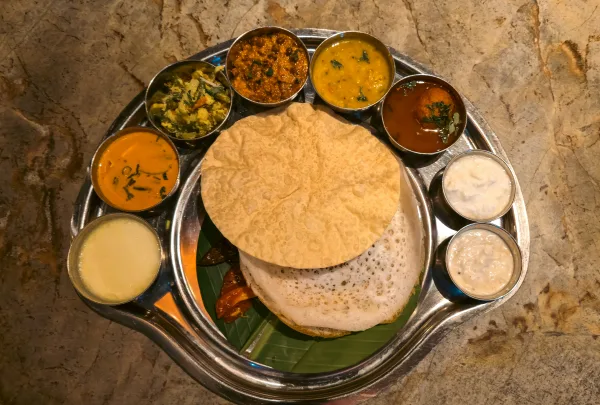
Appam
Soft, bowl-shaped rice and coconut pancakes from Kerala, with a fluffy white centre and crisp lacy edges. Start the batter the day before for a gentle sweet-sour flavour.
Medu Vada
Crisp-shelled, fluffy-centred South Indian doughnut fritters made from ground urad dal, black pepper and curry leaves. A satisfying breakfast to dunk in chutney and sambar.
Soft Steamed Idli
Light, fluffy steamed rice and lentil cakes from South India, made with a naturally fermented batter. Serve them hot with coconut chutney and sambar for an easy, filling breakfast.