 Indian
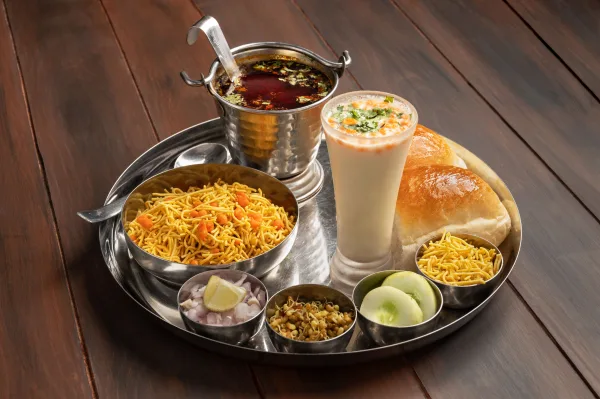
Misal Pav
A Maharashtrian-style breakfast of tender sprouted beans in a spicy coconut and onion gravy, topped with crunchy farsan and served with buttered, toasted pav. Filling, bold and easy to build in layers.
Indian cooking runs from Hyderabadi biryani and Punjabi dal makhani to Kerala fish moilee and Mumbai pav bhaji. What ties it together is flavour built in stages: whole spices in hot fat, slow-cooked masalas, and a sour or fresh finish.
IndianA Maharashtrian-style breakfast of tender sprouted beans in a spicy coconut and onion gravy, topped with crunchy farsan and served with buttered, toasted pav. Filling, bold and easy to build in layers.
 Indian
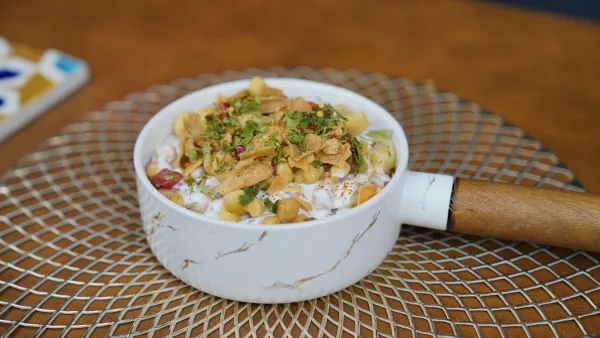
Soft, separate pearls of tapioca tossed with crunchy peanuts, potato, cumin and green chilli. A light, gluten-free breakfast that comes together quickly once the sabudana is soaked.
 Indian
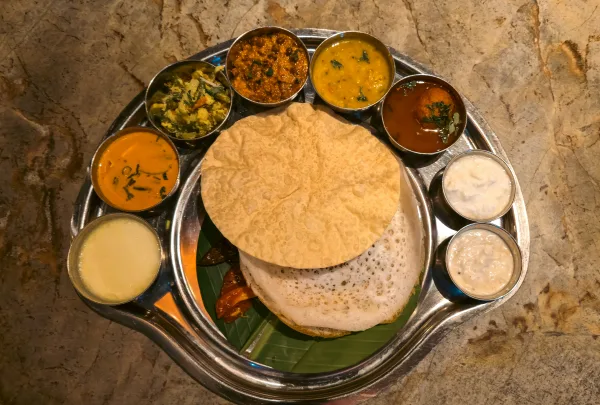
Soft, bowl-shaped rice and coconut pancakes from Kerala, with a fluffy white centre and crisp lacy edges. Start the batter the day before for a gentle sweet-sour flavour.
 Indian
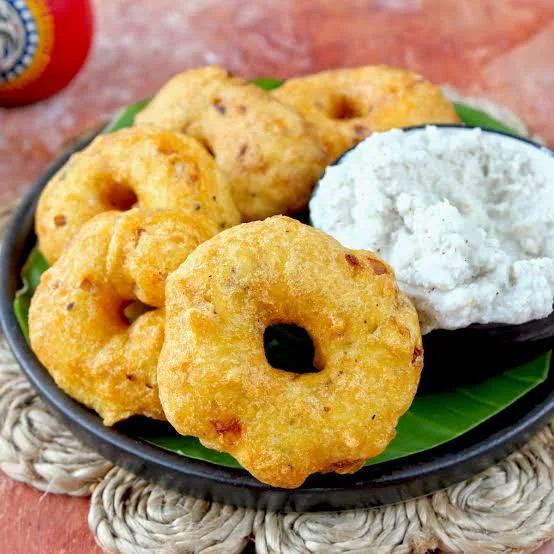
Crisp-shelled, fluffy-centred South Indian doughnut fritters made from ground urad dal, black pepper and curry leaves. A satisfying breakfast to dunk in chutney and sambar.
 Indian
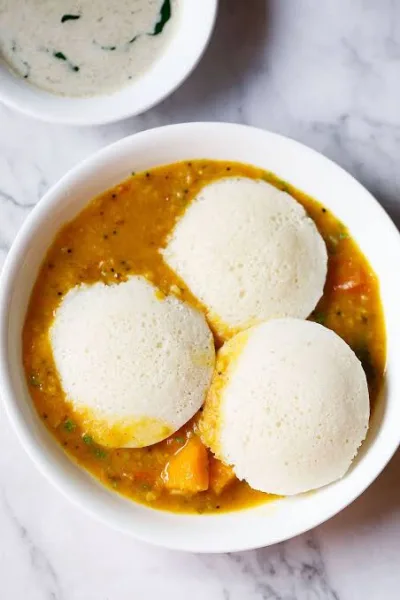
Light, fluffy steamed rice and lentil cakes from South India, made with a naturally fermented batter. Serve them hot with coconut chutney and sambar for an easy, filling breakfast.
 Indian
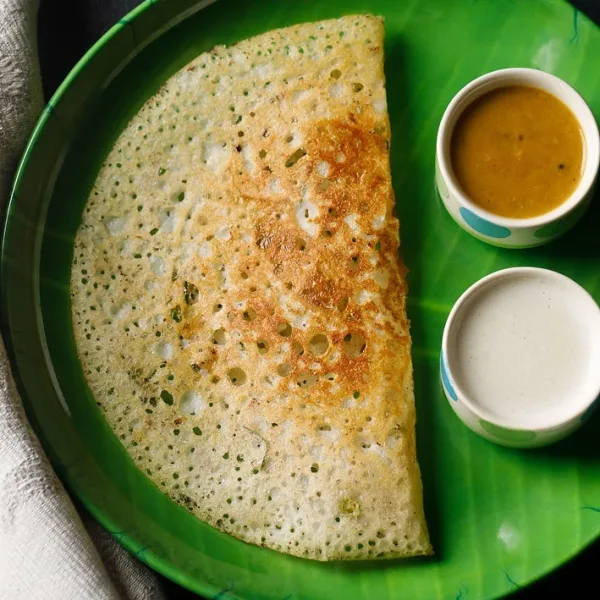
Thin, lacy, crisp semolina crepes flavoured with cumin, pepper and curry leaves. No fermenting is needed, so you can go from pantry to plate in under an hour.
 Indian
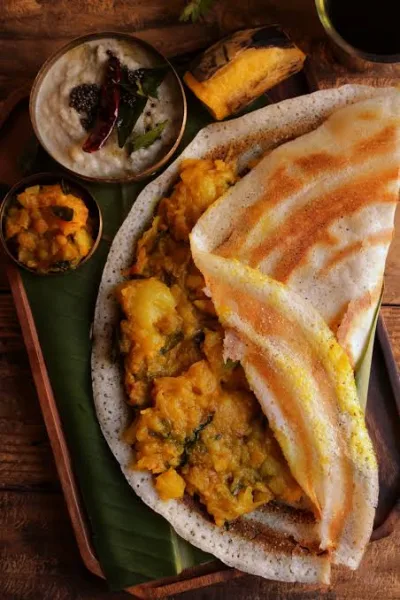
Thin, crisp fermented rice and lentil crepes wrapped around a turmeric potato and onion filling. Start the batter a day ahead, and you'll have a weekend breakfast that's worth the wait.
 Indian
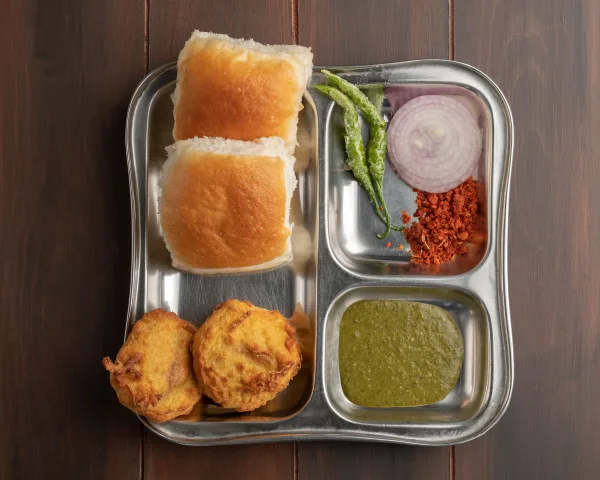
Spiced potato patties in a crisp gram-flour coating, tucked into soft buns with a fiery dry garlic chutney and green chutney. A classic Mumbai street snack you can make at home.
Indian food is a set of regional cuisines that share a method: build flavour in fat, in stages, and taste as you go. Most recipes come down to how long you cook the onions, when the spices go in, and what you add at the end for sourness or freshness.
Tadka (tempering). Heat ghee or oil until a cumin seed sizzles the moment it lands. Add whole spices, garlic or dried chillies, then pour the lot over cooked dal. The sizzle is the point. Dal Tadka depends on it. Take the pan off the heat when garlic turns pale gold, because burnt spices taste bitter and can't be fixed.
Bhuna. Fry onion, ginger-garlic, tomato and ground spices until the oil separates and pools at the edges of the masala. If the spices stick, add a splash of water and keep scraping. Cut this short and the gravy tastes raw and sharp. A dish like Chana Masala shows the difference clearly.
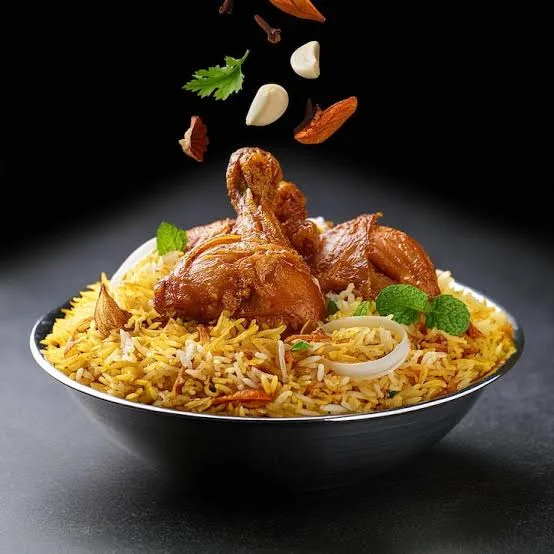
Dum. Cook in a sealed pot over very low heat, so the food steams in its own moisture. For Hyderabadi Chicken Biryani, parboil the rice until it still breaks with a bite, layer it over the marinated meat, seal the lid with dough or foil, and put a tawa under the pot to stop the base scorching.
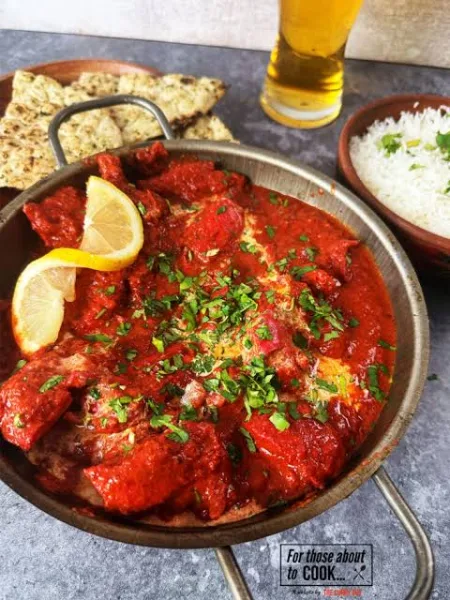
Buy whole cumin, coriander seed, cardamom, cloves and cinnamon, and grind small batches. Ground turmeric, red chilli and coriander go in early. Garam masala goes in at the end, because long cooking flattens it. Kashmiri chilli gives deep red colour with mild heat, which is why Kashmiri Rogan Josh looks vivid without being fiery.
Balance comes from sour and sweet as much as heat. Tomato, tamarind, kokum, amchur, yoghurt and lemon each pull a dish in a different direction. Add them a little at a time and taste.
For basmati, rinse until the water runs nearly clear, then soak for 30 minutes. That helps the grains stay long and separate. Everyday meals are usually dal, one vegetable dish, rice or roti, and a pickle or yoghurt. Celebration cooking means biryani, slow meat curries and richer gravies, and it needs more time and a bigger pot. If you're new to this cooking, begin with a dal and a simple masala, then move on to dum dishes once you can read the pan.