 Pakistani
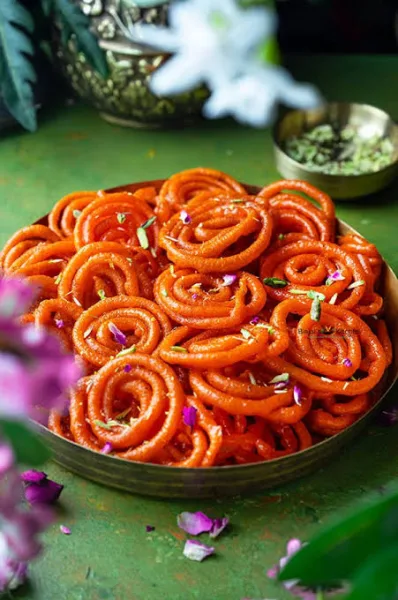
Jalebi
Crisp, golden spirals of fermented batter soaked in warm saffron-cardamom syrup. Plan on a few hours of batter resting, then about half an hour of frying and dipping.
Pakistani cooking is built on slow-fried onion masala, whole and ground spices, and a final tarka of sizzling ghee. Chicken karahi, biryani, nihari and daal show its range, from quick high-heat pan dishes to overnight slow cooks.
PakistaniCrisp, golden spirals of fermented batter soaked in warm saffron-cardamom syrup. Plan on a few hours of batter resting, then about half an hour of frying and dipping.
 Pakistani
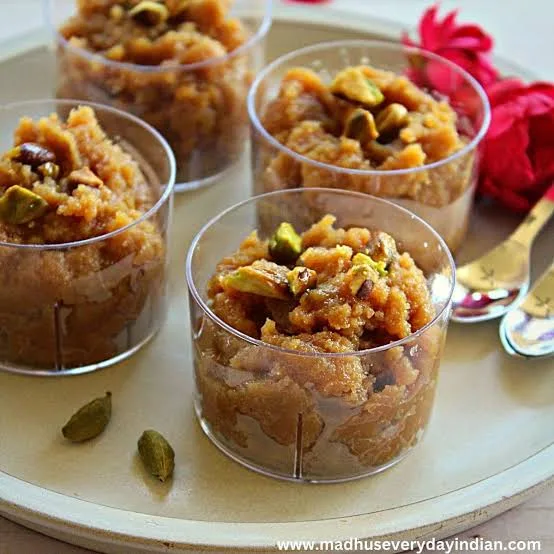
A rich, glossy almond halwa made from freshly ground blanched almonds, milk, ghee and saffron. It suits Eid tables, dinner parties and winter evenings.
 Pakistani
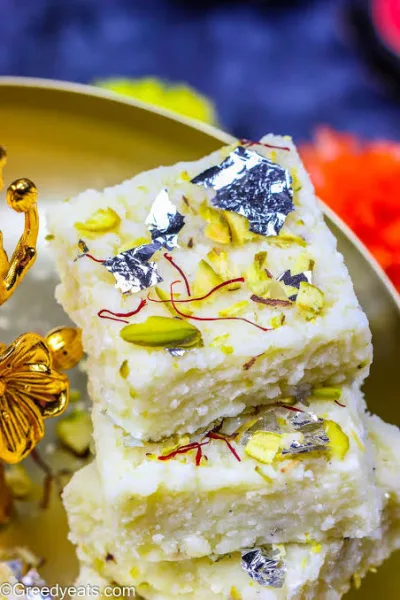
Soft, slightly grainy milk cake made from fresh homemade chenna and condensed milk, scented with cardamom and topped with pistachios. A simple mithai for Eid, weddings or a sweet craving.
 Pakistani
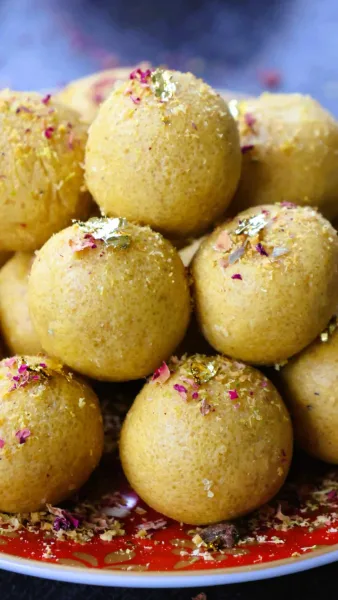
Round gram flour sweets made by slowly roasting besan in ghee until nutty and golden, then shaping with sugar and cardamom. A classic for Eid, weddings and tea-time gifting.
 Pakistani
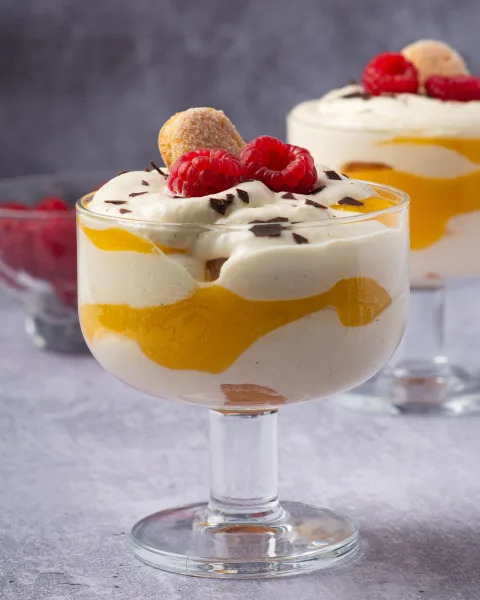
A chilled dessert of vanilla sponge, fruit, set jelly, thick homemade custard and whipped cream. It's a favourite for Eid tables, dawat dinners and birthdays, and you make it ahead.
 Pakistani
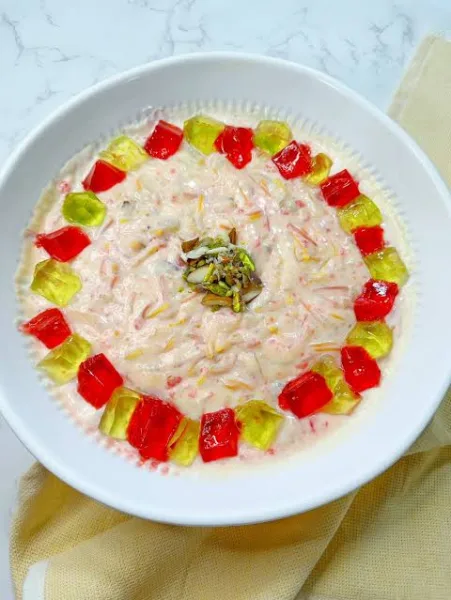
A chilled Pakistani dessert of vanilla custard, cream, soft vermicelli, red jelly cubes and fresh fruit, finished with almonds and pistachios. It suits Eid tables and dinner parties.
 Pakistani
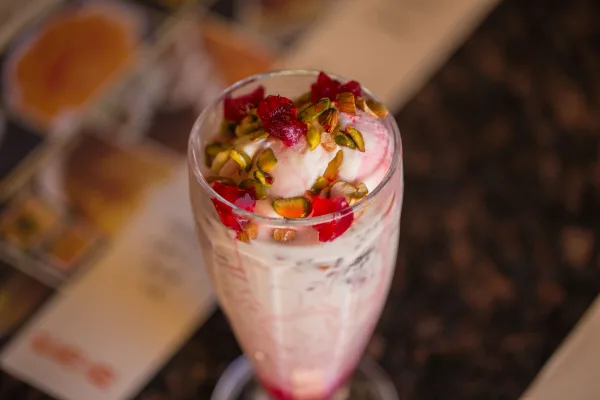
A tall, chilled rose-milk dessert drink layered with vermicelli, basil seeds, jelly and ice cream. Serve it at iftar parties, summer gatherings or whenever a cold treat is wanted.
 Pakistani
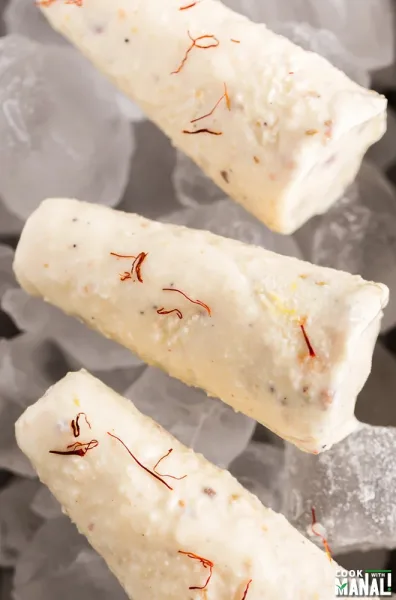
Dense, creamy frozen dessert made by slowly reducing milk with cardamom, pistachios and almonds. It needs no ice cream machine and sets in simple moulds.
Most Pakistani cooking starts the same way. Oil or ghee goes into the pot, then onions, ginger-garlic paste, tomatoes and ground spices, all cooked until the fat separates. Learn to read that stage in the pan and most recipes here become manageable.
Bhuna means frying the masala, stirring often, until it darkens and oil pools at the edges. Add a splash of water whenever it sticks. The most common mistake is stopping too early. A gravy that tastes raw or sharp usually needed another five minutes.
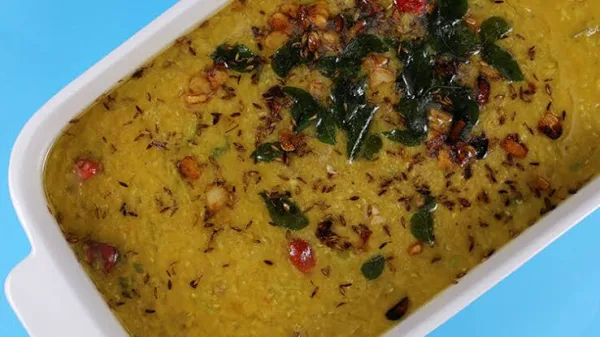
Tarka (or baghaar) is spices sizzled in hot ghee or oil and poured over a dish at the end. In Masoor Daal with Tarka, cumin, garlic and dried red chilli go into the fat. Take it off the heat when the garlic is golden. Brown garlic turns bitter.
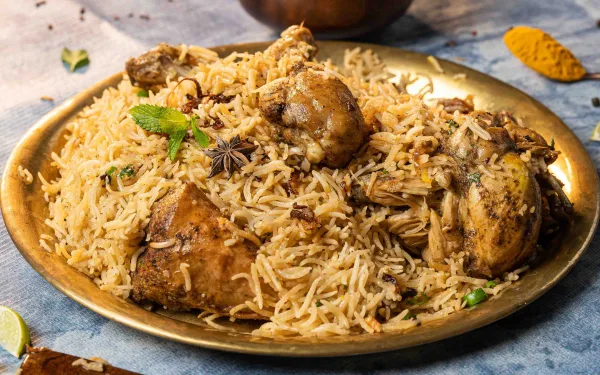
Dum is steaming in a sealed pot over low heat. Chicken Biryani layers part-cooked rice over the masala, then the lid is sealed and the heat kept low. Kunna Gosht applies the same idea to mutton, cooked in its own juices.
Karahi cooking is fast and hot in a wok-shaped pan. For Chicken Karahi, the sauce should be thick and clinging, with oil shining on top and no watery gravy. Prawn Karahi takes only minutes once the masala is ready, and overcooked prawns turn rubbery.
The everyday base is cumin, coriander, turmeric, red chilli and salt. Garam masala goes in near the end for aroma, not at the start. Richer dishes begin with whole cardamom, cloves, cinnamon and bay leaf, bloomed in oil.
Sourness matters as much as heat. It comes from tomatoes, yogurt, dried mango powder or pickling spices, as in Chicken Achari. Fresh coriander, mint, green chilli and ginger finish a dish. Buy whole cumin and coriander seed and grind small batches. Use Kashmiri chilli powder for colour and a hotter one for heat.
Lahore is known for fried and roasted dishes such as Lahori Fried Fish and Lahori Chargha. Karachi and Sindh lean towards sharper, spicier rice dishes, and Sindhi Biryani adds potatoes and a tart edge. Slow-cooked dishes like Beef Nihari, Paya and Beef Haleem are weekend cooking. They need hours of low heat and a heavy pot.
Wash basmati rice until the water runs nearly clear, then soak it for 30 minutes. Boil it in well-salted water until about three-quarters cooked before layering or steaming. The grains should break easily between your fingers but still have a firm core.
Everyday meals are usually a daal or a dry sabzi like Aloo Gobi, with roti and a cooling Mint Raita. Breakfast might be Aloo Paratha with doodh patti chai. For roti and paratha, knead the dough soft and rest it for at least 20 minutes.
Celebration cooking means biryani, korma, haleem, and sweets like kheer and gajar halwa. These take planning. Brown the onions the day before, marinate overnight, and give slow dishes the time they need. Pakoras and chana chaat fill the gaps as tea-time snacks.