How to Fix Undercooked, Sticky or Overcooked Rice
Hard in the middle, clumped together or turned to mush: here is how to rescue the pot on the stove tonight, and what to make when a rescue isn't possible.

Rice goes wrong in three main ways: the grains are still hard, they've clumped into a gluey mass, or they've collapsed into mush. Each has a different cause and a different fix. Start by working out which problem you have, then use the steps below.
Fix undercooked rice (hard or chalky centres)
Bite a grain. If the middle is firm or chalky and the pot looks dry, the rice needs more steam, not more boiling.
- Sprinkle 2–4 tablespoons of hot water over the rice for every 2 cups of cooked rice. Add it around the edges and over the top, not in one spot.
- Fluff gently with a fork to open up the grains.
- Cover with a tight lid. For a better seal, put a clean kitchen cloth or foil under the lid.
- Cook on the lowest heat for 5–10 minutes, then switch off and leave it covered for another 5 minutes.
- Taste again. Repeat with a little more water if needed.
For a small portion, put the rice in a bowl, sprinkle with water, cover with a plate and microwave for 1–2 minutes.
If the bottom has caught and smells burnt, don't stir. Scoop the top rice into a clean pot without scraping the base, then add the water and steam it there.
Fix sticky or gummy rice
Sticky rice is coated in loose starch, usually because the rice wasn't rinsed, was stirred too much while cooking, or had too much water. The grains are cooked but stuck together.
If it's wet and clumpy:
- Tip the rice into a sieve and run hot water over it briefly to wash off the surface starch.
- Let it drain well, then spread it on a large plate or tray.
- Put it back in a dry pot on very low heat, uncovered, and stir gently with a fork for a couple of minutes so the surface moisture steams off.
If it's just slightly sticky:
- Fluff it with a fork, working from the edges toward the centre.
- Leave it uncovered for 5–10 minutes so the steam escapes.
Sticky rice is also a good base for rice patties or shaped rice cakes, where clinging grains are actually useful.
Fix overcooked, mushy rice
Once grains have burst and broken down, you can't bring back the texture. What you can do is stop it from getting worse and use it in a dish that suits soft rice.
Stop the cooking straight away:
- Drain off any standing water in a sieve.
- Spread the rice in a thin layer on a tray or wide plate.
- Leave it to cool and dry for 15–20 minutes. Cooler rice firms up a little.
Then use it well:
- Fried rice. Chilled, drier rice fries better than fresh rice. Refrigerate the spread-out rice for a few hours or overnight, then use it in Chicken Fried Rice. Use a hot pan and keep the rice moving so it doesn't turn into a paste.
- Rice pudding. Soft rice suits a milky dessert. Use the milk, sugar and flavourings in Chawal ki Kheer as your guide, and simmer the cooked rice in the sweetened milk just until it thickens. It needs much less time than raw rice.
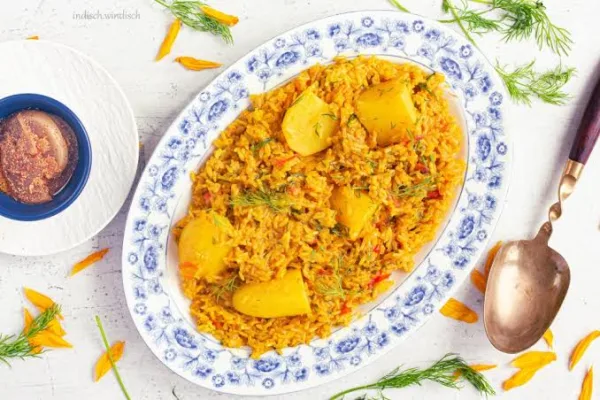
- Rice with potatoes and peas. Cook the spiced potato and pea base from Tahiri, then fold the rice in gently at the end just to heat through. Softer rice works well here.
- Batter and pancakes. Some rice batters, such as Appam, can use a spoonful of cooked rice for softness. Follow the recipe's quantities rather than adding a large amount.
- Rice patties. Mix mushy rice with mashed potato, chopped onion, green chilli, coriander and spices, shape into tikkis and shallow-fry.
What went wrong? A quick check
| Problem | Likely cause |
|---|---|
| Hard centres | Too little water, lid lifted often, heat too low, or rice not soaked |
| Sticky | Rice not rinsed, too much stirring, too much water |
| Mushy | Too much water, cooked too long, no resting or draining time |
| Broken grains | Rough stirring, soaking too long, or rice boiled too hard |
Prevent it next time
Rinse the rice. Wash basmati in several changes of water until it runs mostly clear. This removes surface starch, which is what makes rice sticky.
Soak if the recipe calls for it. Basmati is commonly soaked for about 20–30 minutes. Drain it well afterwards, since damp rice needs slightly less water.
Measure the water. Different rice varieties and brands absorb differently, so treat any ratio as a starting point. For soaked basmati cooked by absorption, about 1½ cups water per cup of rice is a common place to begin. Adjust up or down next time based on the result.
Or use the boil-and-drain method. This is how many pulao and biryani cooks avoid mushy rice:
- Boil the rice in plenty of salted water.
- Check often. When a grain breaks easily between your fingers but still has a thin firm core, drain it.
- Layer or return it to the pot and finish on dum (low, sealed steam) for 10–15 minutes.
The rice finishes cooking in the steam, so pulling it early is intentional.
Keep the lid on. Every time you lift it, steam escapes. Once the water has been absorbed, turn the heat to its lowest setting and leave the pot alone.
Rest before serving. Switch off the heat and leave the pot covered for 5–10 minutes. This lets moisture settle evenly through the grains so the bottom isn't wetter than the top.
Fluff with a fork or flat spoon. Stirring with a heavy spoon breaks grains and releases starch.
When to start over
If the rice is very hard, dry and unevenly cooked all the way through, steaming may not save it. It's often quicker to add a little more water and simmer it for 10 minutes than to keep tweaking. If it's completely pulped, don't try to rescue it as plain rice. Use it in one of the dishes above and cook a fresh batch on the side.
Most rice mistakes come down to water, heat and patience. Note what you did when the result comes out right, and you'll be able to repeat it.
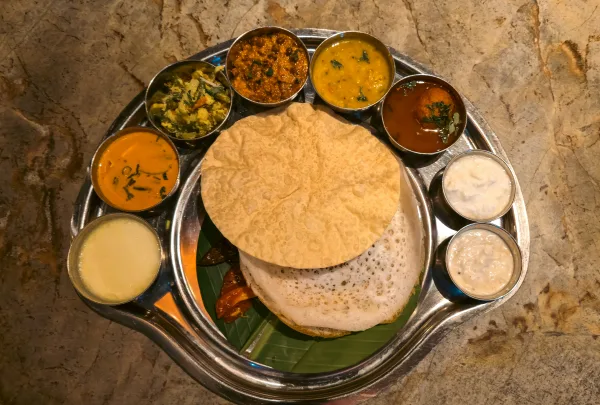 Indian
Appam
Soft, bowl-shaped rice and coconut pancakes from Kerala, with a fluffy white centre and crisp lacy edges. Start the batter the day before for a gentle sweet-sour flavour.
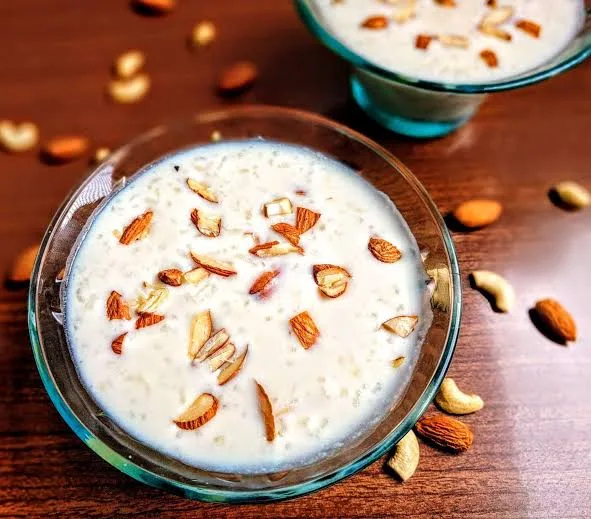 Pakistani
Chawal ki Kheer
Rice simmered slowly in milk with cardamom until creamy, finished with pistachios and almonds. Serve chilled in clay bowls.
 Chinese
Chicken Fried Rice
Day-old rice stir-fried hot with chicken, egg, peas, carrot and soy. Faster than ordering in.
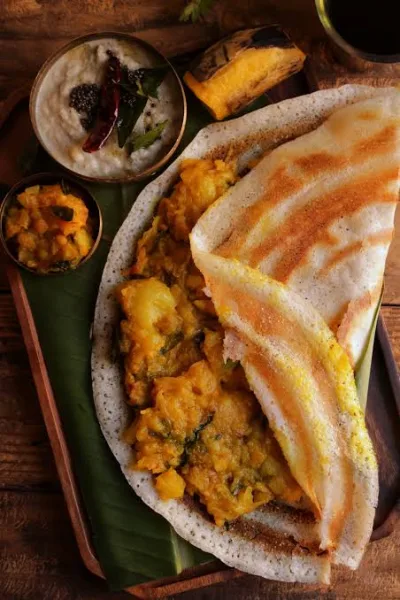 Indian
Masala Dosa
Thin, crisp fermented rice and lentil crepes wrapped around a turmeric potato and onion filling. Start the batter a day ahead, and you'll have a weekend breakfast that's worth the wait.
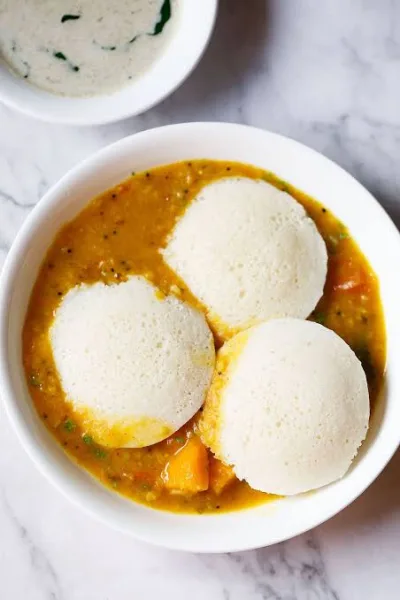 Indian
Soft Steamed Idli
Light, fluffy steamed rice and lentil cakes from South India, made with a naturally fermented batter. Serve them hot with coconut chutney and sambar for an easy, filling breakfast.
 Pakistani
Tahiri
A one-pot vegetarian rice dish of golden basmati cooked with potatoes, peas and whole spices. It is simple, filling and ready in under an hour, ideal for an easy weekday lunch.