Rice-to-Water Ratios for Boiled Rice, Pulao and Absorbed Rice
Use the right amount of water for the method you are cooking, whether you are draining rice, absorbing it in a pulao or simmering it into kheer.
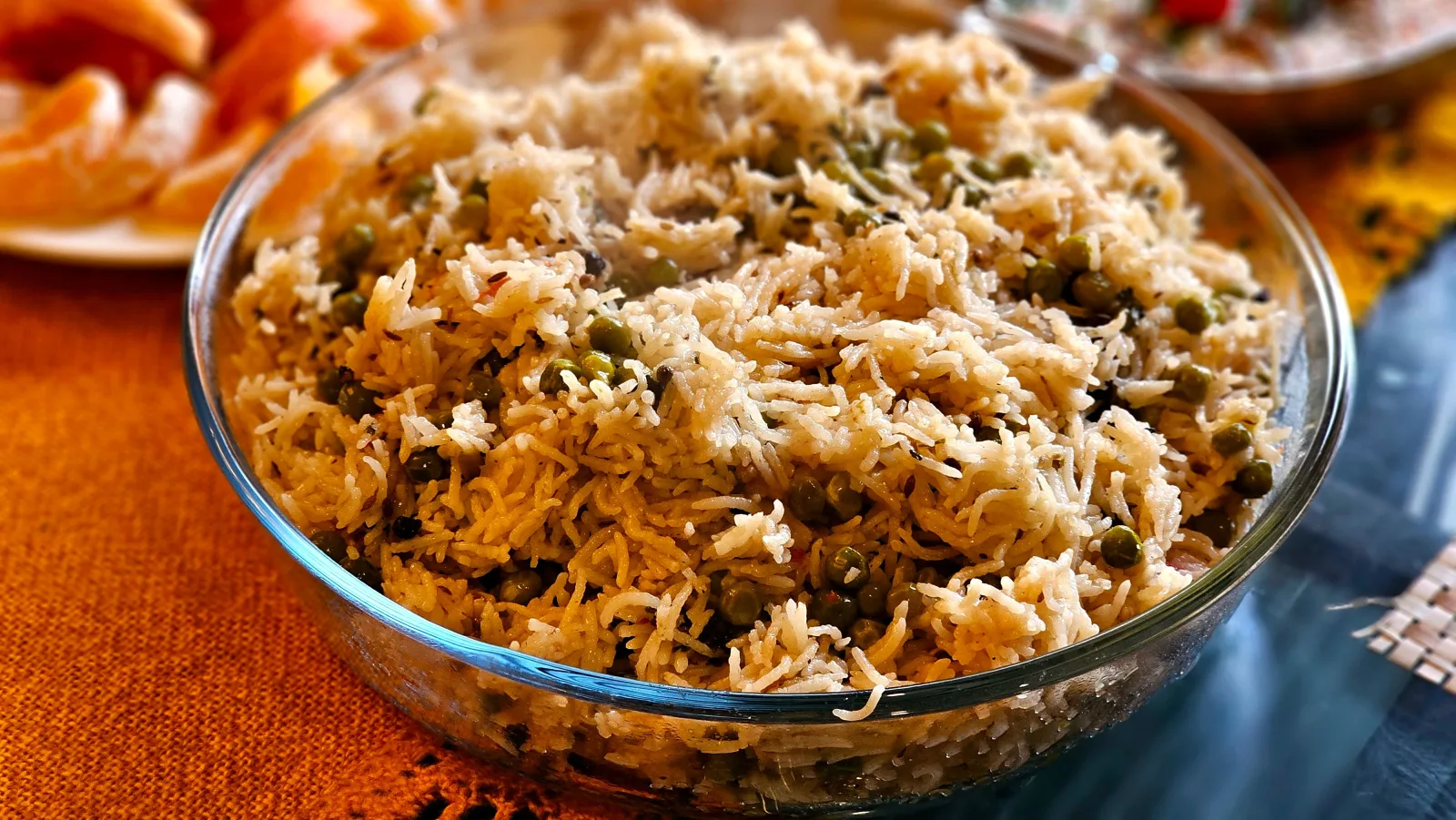
The right amount of water depends on the method, not just the rice. Rice boiled in a large pot and drained needs far more water than rice cooked until the pot is dry. Pulao sits in between, because stock, onions, tomatoes and vegetables all add moisture.
The numbers below are starting points for a standard cup measure. Use the same cup for rice and water, then adjust by a few spoonfuls next time.
Quick ratio chart
Ratios are rice : water by volume.
| Rice and method | Ratio | Notes |
|---|---|---|
| Basmati, soaked 30 minutes, absorbed | 1 : 1½ | Good for plain rice and most pulao |
| Basmati, unsoaked, absorbed | 1 : 1¾ to 1 : 2 | Cooks a little longer |
| Basmati, boiled and drained | 1 : 6 or more | Par-boil for biryani, then finish by steaming |
| Sella (parboiled) basmati, soaked, absorbed | 1 : 1¾ | Grains are firmer and forgive extra water |
| Everyday long-grain or broken rice, absorbed | 1 : 2 | Softer result, less separate grains |
| Kheer | about ¼ cup rice to 1 litre milk | Rice cooks slowly and thickens the milk |
If your rice is labelled differently or is very old or very new, treat the chart as a guide. Newly harvested rice holds more moisture and usually needs a little less water. Older rice often needs a splash more.
Method 1: Boiled and drained rice
This is the most forgiving method. Bring a large pot of water to a rolling boil and salt it well. Add rinsed rice and boil until the grains are nearly cooked. Then drain.
- Use at least six cups of water for each cup of rice.
- For plain rice, boil for about 8 to 10 minutes for basmati, testing early. Drain when a grain is soft outside and has a slight firm core if you plan to steam it.
- For biryani or zarda, drain when the grains are about three-quarters cooked. They finish cooking in steam with the masala.
- Return drained rice to the pot, cover tightly and leave on very low heat or off the heat for 5 to 10 minutes.
The trade-off is that some flavour goes down the drain. This method suits dishes where the rice is layered with a strong masala and does not need to absorb stock.
Method 2: Absorbed rice
Here the pot contains exactly as much water as the rice can take up. There is no draining, so measuring matters.
- Rinse the rice in several changes of water until it runs mostly clear.
- Soak basmati for 30 minutes, then drain well.
- Add rice and water at 1 : 1½ to a pot with a tight lid.
- Bring to a boil uncovered. When the water level drops to the rice surface and you see steam holes, cover and turn the heat to the lowest setting.
- Cook for about 8 to 10 minutes, then turn off the heat and rest, covered, for 5 to 10 minutes.
- Fluff gently with a fork.
If you skip soaking, increase the water to 1 : 1¾ or 1 : 2 and give it a few extra minutes.
Method 3: Pulao
Pulao is absorbed rice with extras. Because the rice is fried with onions and whole spices, then cooked in stock or with vegetables, you need to think about the liquid already in the pot.
- Plain stock pulao (yakhni): Use 1 : 1½ with soaked basmati. Measure the stock, not the meat and bones.
- With tomatoes or yogurt: Reduce the added water slightly, because these release liquid as they cook.
- With vegetables: Peas add little moisture, so stay near 1 : 1½. For Matar Pulao, fry the rice briefly with the cumin and whole spices so the grains stay separate.
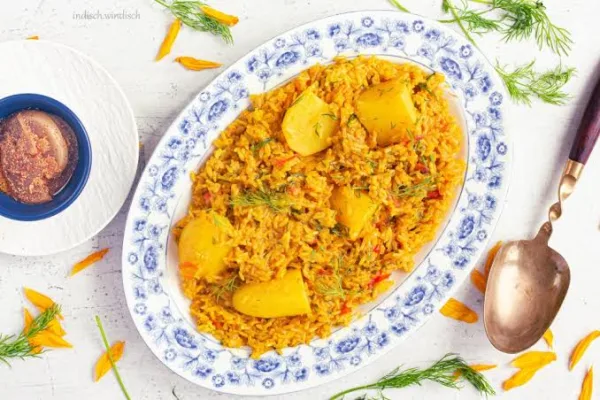
- With potatoes: Potatoes release some water and also absorb some. In Tahiri, start with 1 : 1½ for soaked rice and add a few tablespoons of hot water only if the rice is still hard when the pot looks dry.
Always add hot water or stock rather than cold. Cold liquid stops the boil and can make the rice cook unevenly.
Method 4: Rice for fried rice
Fried rice works best with grains that are cooked, cooled and dry. Use a slightly lower water level than normal, about 1 : 1¼ to 1 : 1½ for soaked basmati or other long-grain rice, so the grains do not clump when stir-fried.
Spread the cooked rice on a tray and let it cool completely. Chilling it for a few hours helps it dry further. For Chicken Fried Rice, this gives you separate grains that pick up sauce instead of turning soft and sticky.
Method 5: Rice cooked in milk or ground into batter
Some rice dishes do not use a cup-for-cup ratio at all.
- Kheer: A small amount of rice thickens a large amount of milk. Start with about ¼ cup rice for 1 litre milk and simmer slowly, stirring often so the bottom does not catch. If you like a thicker kheer, cook it longer instead of adding more rice. See the method in Chawal ki Kheer.
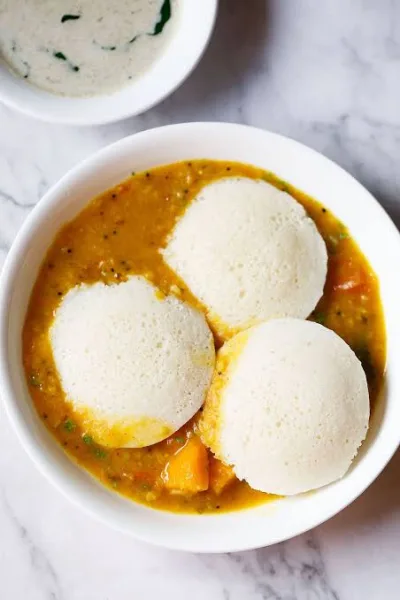
- Batter dishes: For Appam and Soft Steamed Idli, rice is soaked and ground with water. The amount of water changes the batter thickness, so follow the recipe and add water a spoonful at a time when grinding.
Fixing common problems
Rice is mushy or sticky
- Too much water, or the rice was not rinsed enough.
- Next time, reduce water by 2 to 3 tablespoons per cup of rice.
- Avoid stirring during cooking, which releases starch.
Rice is hard in the centre and the pot is dry
- Add 2 to 3 tablespoons of hot water, cover and cook on the lowest heat for 5 more minutes.
- Check that the lid fits well. A loose lid lets steam escape.
Rice is soft but wet on top
- Take off the lid, place a clean kitchen towel over the pot and replace the lid. Rest for 5 minutes so the cloth takes up extra steam.
Bottom is burnt
- Heat was too high after covering. Use a heavy-bottomed pot and a tawa under the pot if your burner runs hot.
Small things that change the result
- Pot width: In a wide pot, water evaporates faster, so you may need slightly more water. In a tall narrow pot, you may need slightly less.
- Soaking: Soaked rice absorbs water more evenly and cooks faster. Drain it well so that soaking water does not throw off your ratio.
- Rinsing: Rinse until the water is less cloudy. This removes surface starch and helps grains stay separate.
- Resting: The rest after cooking lets moisture spread through the grains. It is part of the cooking time.
A simple routine for tonight
For plain basmati, rinse 1 cup of rice and soak it for 30 minutes. Drain it, add 1½ cups of water and a pinch of salt, and bring it to a boil. When the water reaches the surface of the rice, cover, lower the heat and cook for about 8 to 10 minutes. Rest for 5 to 10 minutes, then fluff with a fork.
Then note how it turned out. If it was slightly firm, add 2 tablespoons of water next time. If it was slightly soft, use 2 tablespoons less. After two or three attempts, you will have a ratio that suits your rice, your pot and your stove.
 Indian
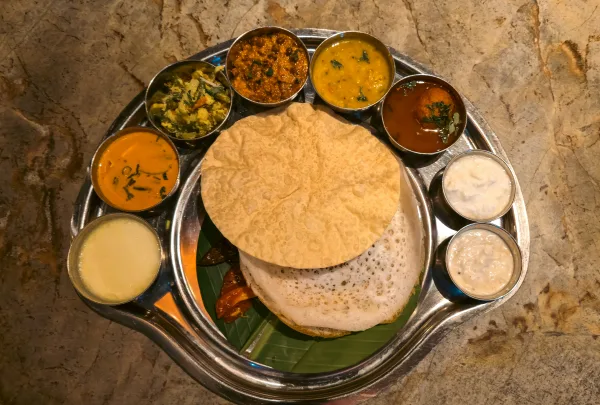
Appam
Soft, bowl-shaped rice and coconut pancakes from Kerala, with a fluffy white centre and crisp lacy edges. Start the batter the day before for a gentle sweet-sour flavour.
 Pakistani
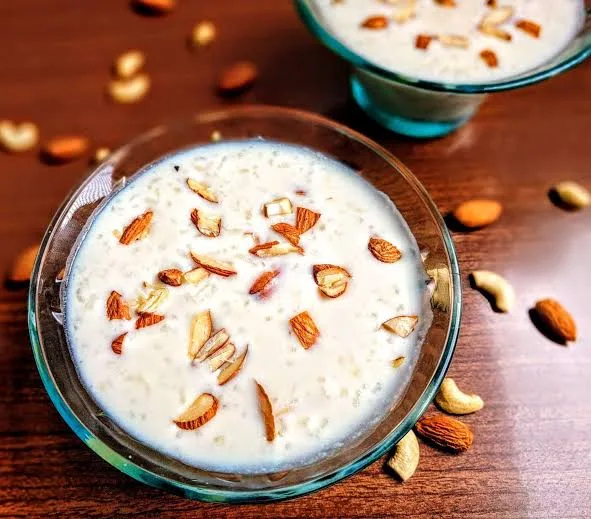
Chawal ki Kheer
Rice simmered slowly in milk with cardamom until creamy, finished with pistachios and almonds. Serve chilled in clay bowls.
 Chinese
Chicken Fried Rice
Day-old rice stir-fried hot with chicken, egg, peas, carrot and soy. Faster than ordering in.
 Pakistani
Matar Pulao
A fragrant, one-pot basmati pulao with sweet green peas, golden onions, cumin and whole spices. It's simple enough for a weekday lunch and good with raita.
 Indian
Soft Steamed Idli
Light, fluffy steamed rice and lentil cakes from South India, made with a naturally fermented batter. Serve them hot with coconut chutney and sambar for an easy, filling breakfast.
 Pakistani
Tahiri
A one-pot vegetarian rice dish of golden basmati cooked with potatoes, peas and whole spices. It is simple, filling and ready in under an hour, ideal for an easy weekday lunch.