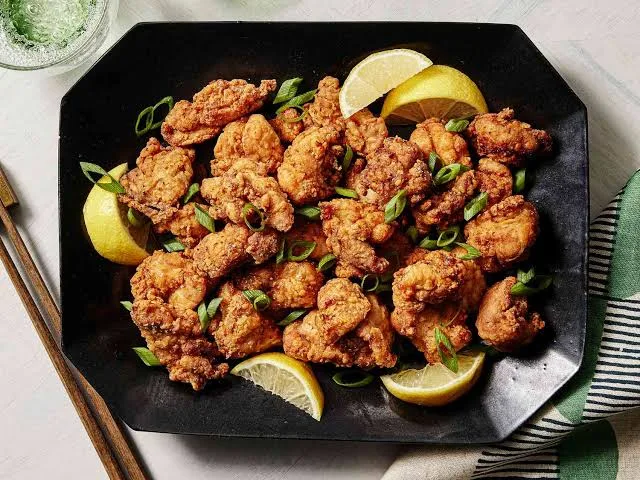
Chicken Karaage
Japanese fried chicken thighs marinated in soy, ginger and garlic, coated in a thin starch crust and fried twice. The result is a crackling outside with a juicy centre.
Published 1 Oct 2026Tested by Hina Ikram
Ingredients
Equipment: Deep heavy-bottomed pan or wok, kitchen thermometer (optional), wire rack, tray, tongs, mixing bowl
Method
Put the chicken in a bowl with the soy sauce, mirin, ginger, garlic, sesame oil and pepper. Mix well with your hands, then cover and refrigerate for at least 30 minutes, or up to 4 hours.
Take the chicken out of the fridge. Stir in the beaten egg until the pieces look evenly glossy and no large pool of liquid remains.
Mix the cornflour and plain flour on a plate. Set a wire rack over a tray next to it.
Pour the oil into a deep heavy pan so it is about 5 cm deep. Heat to 170°C. Without a thermometer, a small cube of bread should sizzle steadily and turn golden in about 40 seconds.
Press each piece of chicken into the flour mix, coating all sides, then shake off the excess. Coat only as many pieces as you will fry in one batch, because the coating turns pasty if it sits.
Fry the first batch, 5–6 pieces at a time, for 4 minutes, turning once or twice. The crust should be pale golden and set. Lift onto the wire rack and rest while you coat and fry the remaining batches the same way.
Once all batches are fried, raise the oil to 190°C. Return the chicken in batches and fry for 1–2 minutes until deep golden brown and crisp.
Drain on the rack. Cut the largest piece open to check it is white throughout with clear juices, or 74°C at the centre.
Stir the lemon juice into the mayonnaise. Serve the karaage hot with lemon wedges, the mayonnaise and the shredded cabbage.
Cooking tips
- Use thigh meat. Breast works but dries out faster, so cut the pieces slightly larger and fry for a little less time.
- Do not drain the marinade completely. The egg and remaining marinade help the coating cling, but too much loose liquid makes the crust patchy.
- Fry in small batches. Overcrowding drops the oil temperature and gives greasy, soft chicken.
- Resting between the two fries lets the inside finish cooking gently, which is why the second fry makes the crust so crisp.
Substitutions
- Replace mirin with 2 tsp sugar and 1 tbsp water, or a little honey.
- Use potato starch instead of cornflour for a slightly lighter crust.
- Swap sesame oil for a few drops of any neutral oil if unavailable; the flavour will be milder.
- Use boneless chicken breast in place of thighs, cut into larger chunks.
Serve with
Serve with steamed short-grain rice, miso soup and the shredded cabbage. It also works as a bento filling or an appetiser with a cold drink.
Storage
Cool completely, then keep in an airtight container in the fridge for up to 2 days. Marinated raw chicken can be refrigerated for up to 4 hours before frying.
Reheating
Reheat on a rack in a 200°C oven for 8–10 minutes, or in an air fryer at 190°C for 4–5 minutes, until hot and crisp. Avoid the microwave, which softens the crust.
Nutrition per serving, estimated
Not shown for this recipe because it can’t be estimated reliably (for example, oil absorbed during deep frying varies a lot).
You might also cook
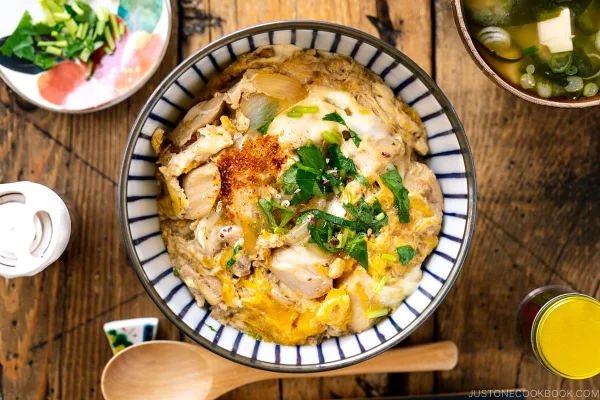 Japanese
Oyakodon
A Japanese rice bowl of tender chicken thigh and softly set egg simmered in a sweet-savoury dashi sauce. It is quick, filling and made in one pan.
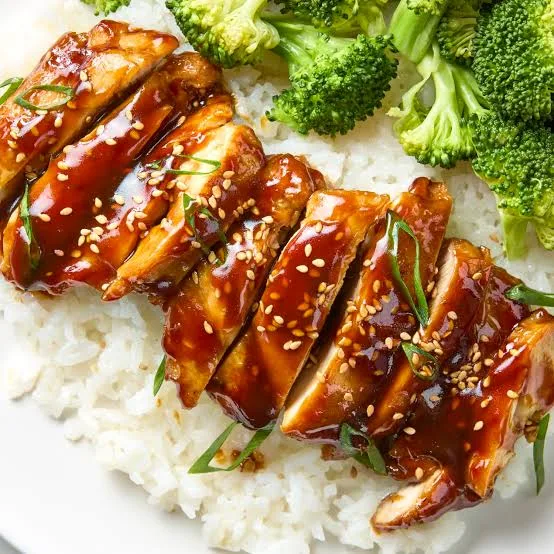 Japanese
Chicken Teriyaki
Pan-seared boneless chicken thighs brushed with a glossy soy, ginger and garlic glaze. It comes together in about 40 minutes and suits a weeknight dinner with rice.
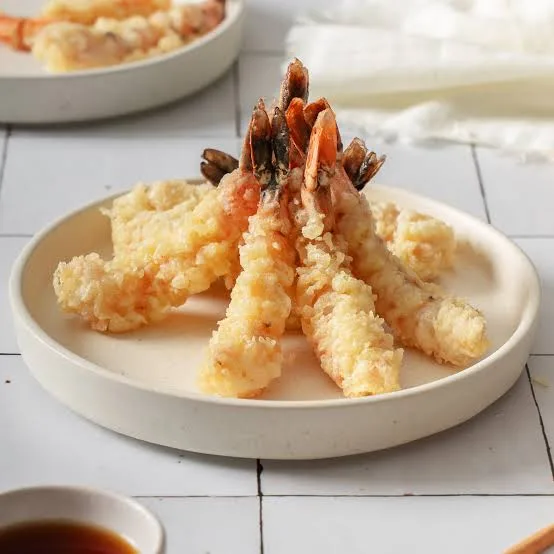 Japanese
Ebi Tempura
Large prawns in a thin, crisp batter of ice-cold water and flour, served with a light dipping sauce and grated radish. A good dinner when you want something crunchy but not heavy.
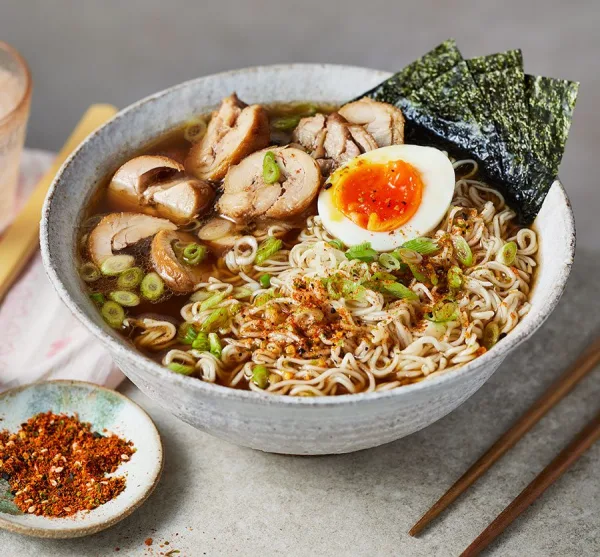 Japanese
Chicken Shoyu Ramen
A clear, savoury chicken broth seasoned with soy sauce, poured over springy noodles with soy eggs and tender shredded chicken. A cosy bowl you can make with ingredients from a Pakistani supermarket.
Asian kitchen
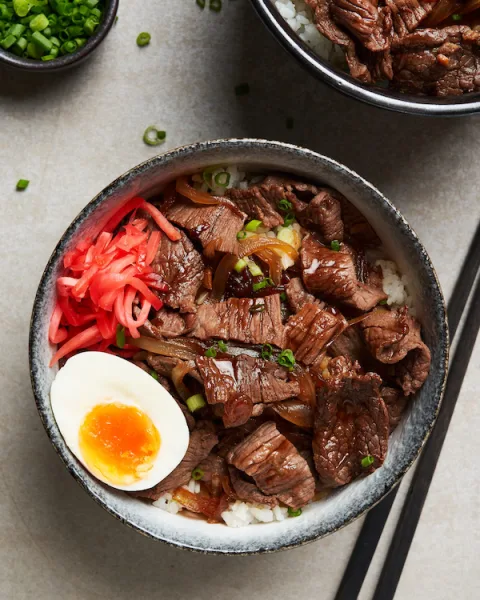 Japanese
Gyudon Beef Rice Bowl
Thinly sliced beef and soft onions simmered in a sweet-savoury soy and dashi broth, spooned over steamed rice. A quick weekday lunch that needs one pan.
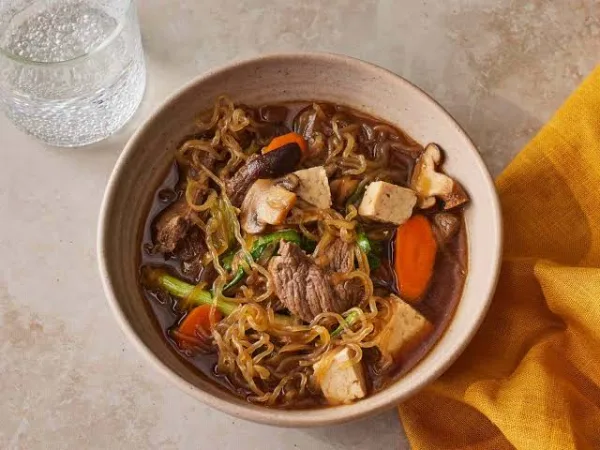 Japanese
Beef Sukiyaki
Thinly sliced beef, tofu and vegetables simmered in a sweet-savoury soy broth in one wide pan. Cook it at the table for a relaxed, shared weeknight dinner.
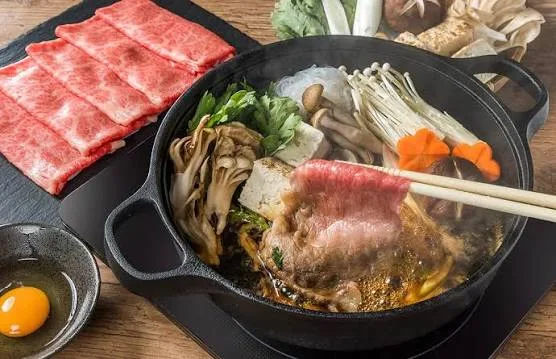 Japanese
Shabu Shabu
A Japanese hot pot where paper-thin beef and vegetables are swished through a light kombu broth at the table, then dipped in sesame and citrus sauces. Good for a slow, shared dinner.
 Japanese
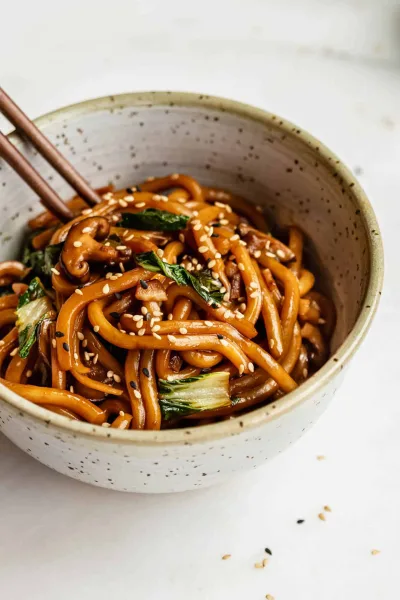
Yaki Udon
Chewy udon noodles stir-fried with chicken, cabbage and carrot in a savoury-sweet soy sauce. It is a quick one-pan lunch that comes together in about 25 minutes.