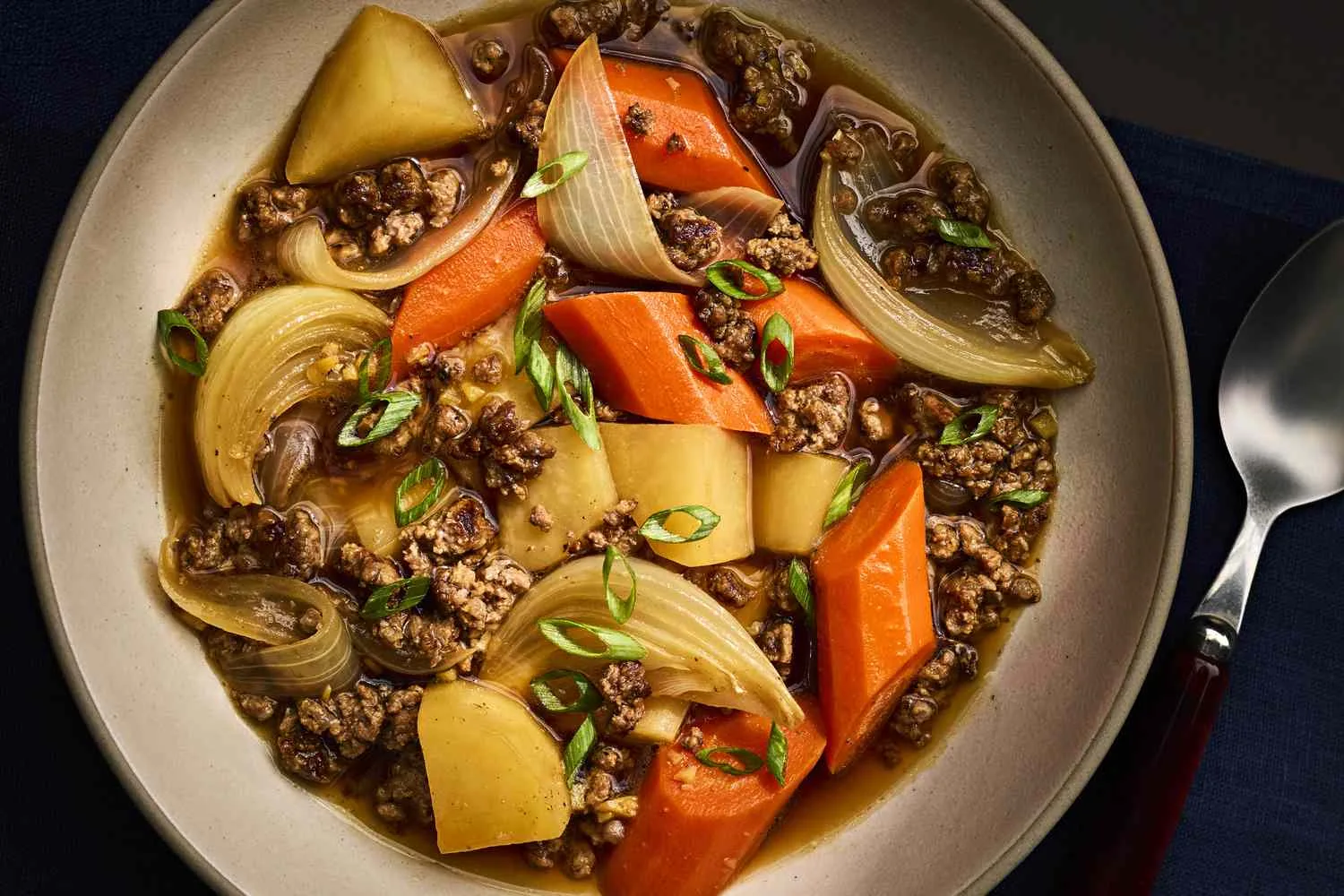
Nikujaga
A Japanese home-style stew of thinly sliced beef, potatoes, onion and carrot simmered in a gently sweet soy broth. It is comforting, easy on the budget and ready in under an hour.
Published 1 Oct 2026Tested by Hina Ikram
Ingredients
Equipment: Wide medium pot or deep frying pan with a lid, sharp knife, chopping board
Method
Rinse the cut potatoes in cold water for a minute to remove surface starch, then drain. Whisk the dashi granules into the hot water and set aside.
Heat the oil in the pot over medium heat. Add the onions and cook, stirring, for 3 minutes until they soften and turn translucent.
Add the beef, separating the slices as they go in. Stir for 1–2 minutes until most of the pink has gone.
Add the potatoes and carrots and stir for 1 minute to coat them in the beef juices. Pour in the dashi water, add the ginger if using, and bring to a boil.
Skim off the grey foam that rises to the surface. Stir in the sugar and half the soy sauce.
Cover loosely with the lid, turn the heat to medium-low and simmer for 15 minutes, stirring gently once or twice so the potatoes cook evenly.
Add the remaining soy sauce and the peas. Simmer uncovered for 5 minutes, until the potatoes are tender when pierced with a knife and the broth has reduced by about a third.
Turn off the heat, cover and rest for 10 minutes so the potatoes absorb the broth. Serve warm with some of the liquid spooned over.
Cooking tips
- Ask the butcher to slice the beef paper-thin, or freeze it for about 30 minutes before slicing at home so it cuts cleanly.
- Use waxy or all-purpose potatoes and cut them in large chunks. Small pieces break down and cloud the broth.
- Do not stir hard once the potatoes soften. Gentle folding keeps the pieces whole.
- The stew tastes better after resting, as the flavour settles into the vegetables.
Substitutions
- Beef: use thinly sliced boneless chicken thigh or mutton for a different but still good stew.
- Dashi granules: use 500 ml light chicken or beef stock and reduce the soy sauce slightly.
- Sweetness: if halal mirin is available, replace 1 tbsp of the sugar with 2 tbsp mirin.
- Soy sauce: use a gluten-free tamari if you need to avoid wheat.
Serve with
Serve in shallow bowls with steamed short-grain rice, a simple cucumber salad and a bowl of miso soup if you like.
Storage
Cool within 2 hours and refrigerate in an airtight container for up to 3 days. The potatoes may soften a little more.
Reheating
Warm gently in a pot over low heat with a splash of water until steaming hot throughout. Avoid boiling hard, which breaks up the potatoes.
Nutrition per serving, estimated
Estimated from the ingredient list. Values vary with brands and portion size.
You might also cook
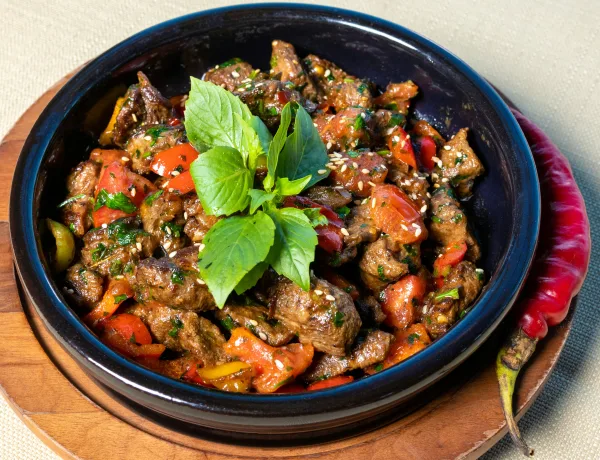 Korean
Beef Bulgogi
Thin slices of beef marinated in soy, pear, garlic and sesame, then seared hot for caramelised edges.
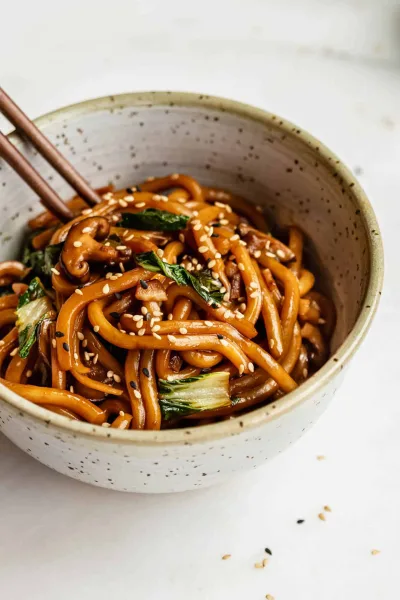 Japanese
Yaki Udon
Chewy udon noodles stir-fried with chicken, cabbage and carrot in a savoury-sweet soy sauce. It is a quick one-pan lunch that comes together in about 25 minutes.
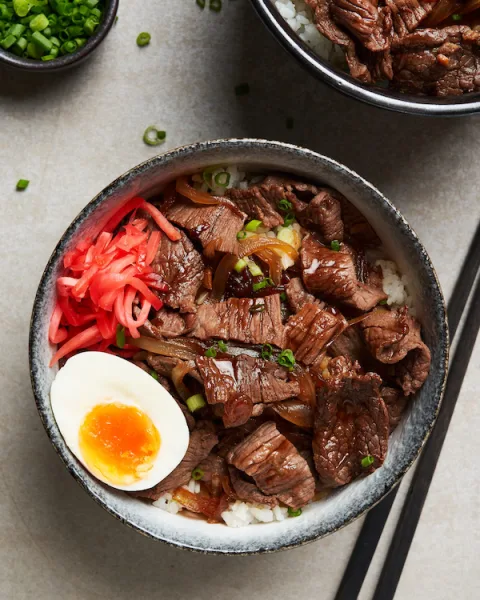 Japanese
Gyudon Beef Rice Bowl
Thinly sliced beef and soft onions simmered in a sweet-savoury soy and dashi broth, spooned over steamed rice. A quick weekday lunch that needs one pan.
 Japanese
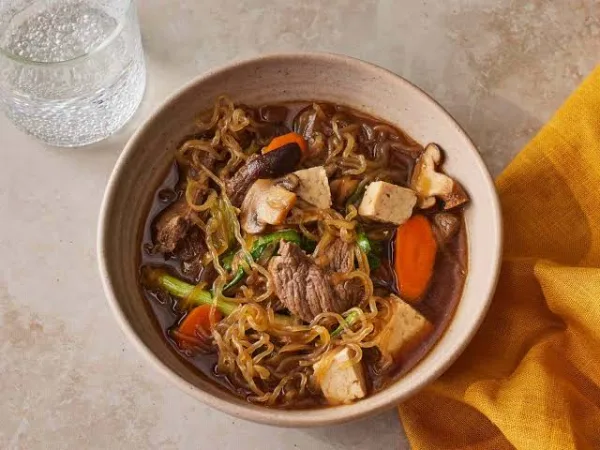
Beef Sukiyaki
Thinly sliced beef, tofu and vegetables simmered in a sweet-savoury soy broth in one wide pan. Cook it at the table for a relaxed, shared weeknight dinner.
Asian kitchen
 Japanese
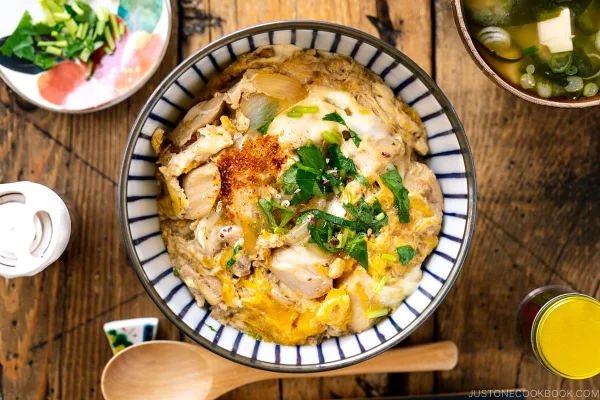
Oyakodon
A Japanese rice bowl of tender chicken thigh and softly set egg simmered in a sweet-savoury dashi sauce. It is quick, filling and made in one pan.
 Japanese
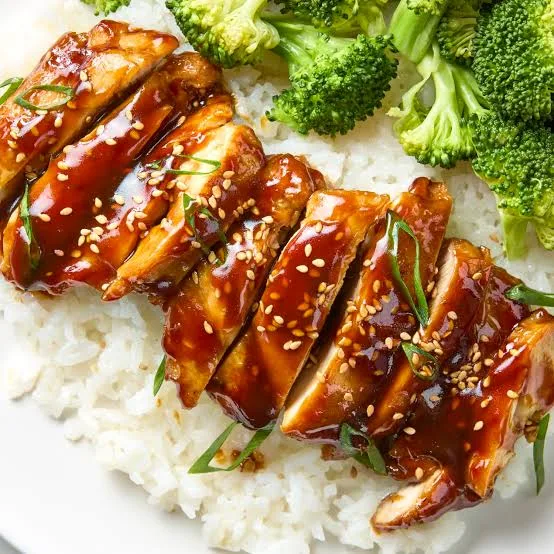
Chicken Teriyaki
Pan-seared boneless chicken thighs brushed with a glossy soy, ginger and garlic glaze. It comes together in about 40 minutes and suits a weeknight dinner with rice.
 Japanese
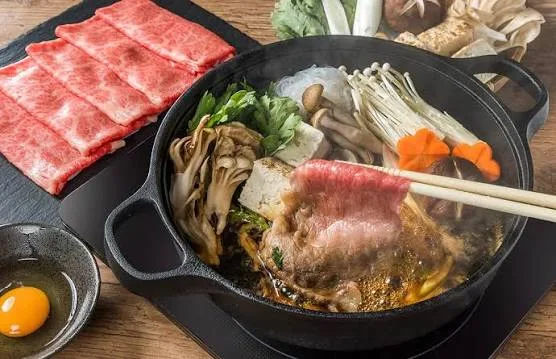
Shabu Shabu
A Japanese hot pot where paper-thin beef and vegetables are swished through a light kombu broth at the table, then dipped in sesame and citrus sauces. Good for a slow, shared dinner.
 Japanese
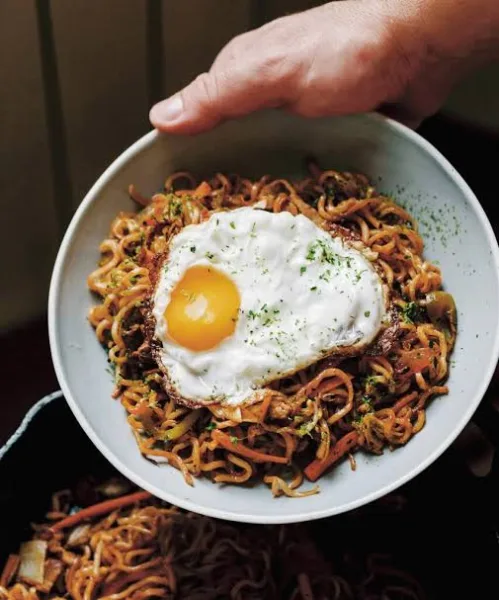
Yakisoba
Japanese stir-fried wheat noodles with chicken, cabbage and carrot in a tangy-sweet sauce. It's a fast one-pan lunch that uses noodles and vegetables you can find in most Pakistani stores.