Sambar
A tangy, gently spiced South Indian lentil and vegetable stew finished with a sizzling mustard and curry leaf tempering. Serve it with rice, idli or dosa for an easy everyday lunch.
Ingredients
Equipment: Pressure cooker (or a heavy pot with a lid), large saucepan, small tempering pan, potato masher or whisk
Method
Break the tamarind into a small bowl, pour over the hot water and leave it to soften. Meanwhile, rinse the dal.
Put the dal, turmeric and 750 ml water in a pressure cooker with 1 tsp of the oil. Cook for 3 whistles on medium heat, then let the pressure release naturally. In a covered pot, simmer for about 40 minutes instead, until completely soft.
While the dal cooks, cut the vegetables. Squeeze the softened tamarind with your fingers, then strain the liquid into a jug and discard the fibres and seeds.
Open the cooker and mash the dal with a whisk or masher until thick and mostly smooth. It should look creamy, with no whole lentils left.
Heat 1 tbsp oil in a large saucepan over medium heat. Fry the onion and green chillies for 3 minutes until the onion turns translucent at the edges.
Add the tomatoes, carrot, pumpkin and brinjal, then stir in the sambar powder and salt. Pour in the strained tamarind water and 250 ml water. Bring to a boil, then cover and simmer until a knife slides easily into the carrot.
Stir in the mashed dal and jaggery. Add up to 250 ml hot water if it is too thick; it should pour like a thin soup. Simmer uncovered, stirring now and then, until it smells rich and the raw tamarind sharpness has mellowed. Taste and adjust the salt.
For the tempering, heat the remaining 2 tbsp oil in a small pan over medium heat. Add the mustard seeds and fenugreek seeds, and cook until the mustard seeds pop and the fenugreek turns light golden, about 30 seconds.
Add the dried chillies, curry leaves and asafoetida. Stand back as the leaves crackle, and stir for 10 seconds. Pour the sizzling oil straight into the sambar, stir, and cover for 2 minutes. Finish with the coriander.
Cooking tips
- Soak and strain the tamarind rather than using a spoonful of paste if you can; the flavour is rounder and less harsh.
- Add the vegetables in order of cooking time. Denser ones like carrot go in first, and soft ones like brinjal can be added a few minutes later if you prefer them to keep their shape.
- Sambar thickens as it stands, so keep a little hot water aside to loosen it before serving.
- Do not skip the fenugreek seeds, but keep them to a pinch; if they darken past golden they turn bitter.
Substitutions
- Use a mix of masoor and moong dal if you cannot find toor dal; the sambar will be softer and cook faster.
- Swap the vegetables for drumsticks, radish, okra, green beans or bottle gourd, whatever is in season.
- Use 1 tbsp tamarind paste from a jar in place of soaked tamarind, or 2 tbsp lemon juice stirred in at the end.
- If you have no sambar powder, use 1 tbsp coriander powder, 1 tsp red chilli powder and 1 tsp cumin powder, with the rest of the recipe unchanged.
Serve with
Serve over steamed rice with a spoonful of ghee, or alongside idli, medu vada or dosa. A simple potato fry and crisp papad make it a full lunch.
Storage
Cool and store in an airtight container in the fridge for up to 3 days. It freezes well for up to 2 months.
Reheating
Reheat gently in a saucepan over medium heat with a splash of water, stirring until steaming hot throughout. Thaw frozen sambar overnight in the fridge first.
Nutrition per serving, estimated
Estimated from the ingredient list. Values vary with brands and portion size.
You might also cook
 Indian
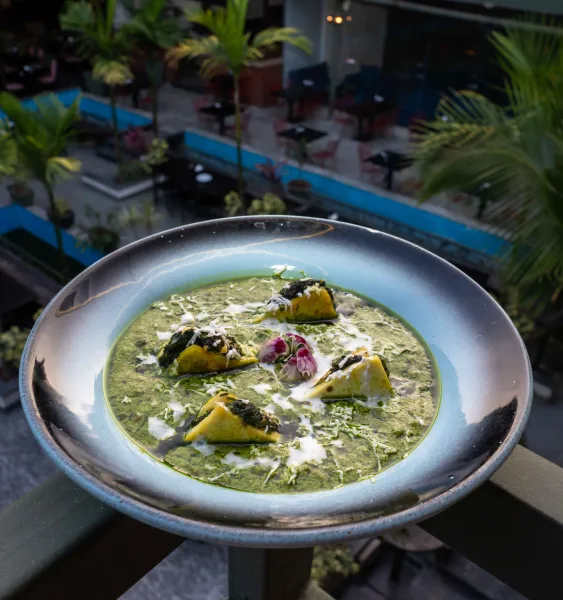
Palak Paneer
Spinach blanched and puréed with onion, garlic and ginger, then simmered with golden cubes of paneer.
Chana Masala
Chickpeas in a dark, tangy onion-tomato masala with amchur and garam masala. Pantry cooking at its best.
 Indian
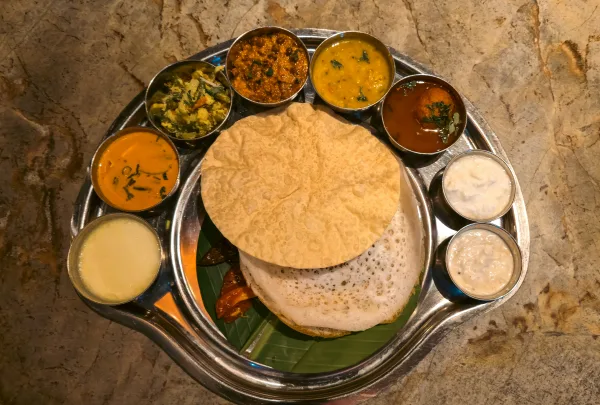
Appam
Soft, bowl-shaped rice and coconut pancakes from Kerala, with a fluffy white centre and crisp lacy edges. Start the batter the day before for a gentle sweet-sour flavour.
 Indian
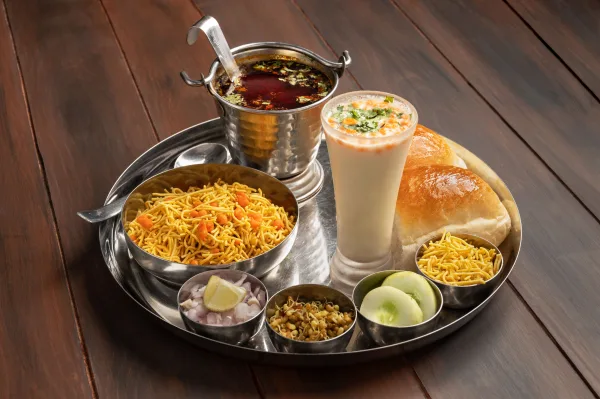
Misal Pav
A Maharashtrian-style breakfast of tender sprouted beans in a spicy coconut and onion gravy, topped with crunchy farsan and served with buttered, toasted pav. Filling, bold and easy to build in layers.
Indian kitchen
 Indian
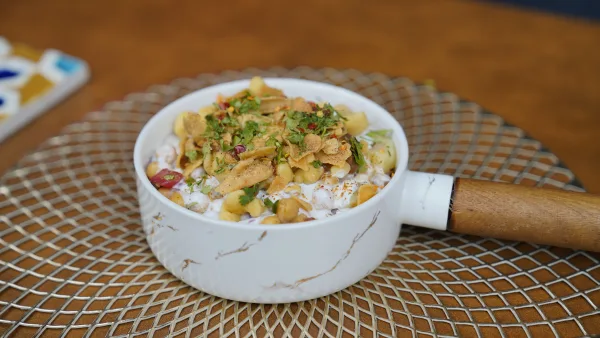
Sabudana Khichdi
Soft, separate pearls of tapioca tossed with crunchy peanuts, potato, cumin and green chilli. A light, gluten-free breakfast that comes together quickly once the sabudana is soaked.
Medu Vada
Crisp-shelled, fluffy-centred South Indian doughnut fritters made from ground urad dal, black pepper and curry leaves. A satisfying breakfast to dunk in chutney and sambar.
Soft Steamed Idli
Light, fluffy steamed rice and lentil cakes from South India, made with a naturally fermented batter. Serve them hot with coconut chutney and sambar for an easy, filling breakfast.
Rava Dosa
Thin, lacy, crisp semolina crepes flavoured with cumin, pepper and curry leaves. No fermenting is needed, so you can go from pantry to plate in under an hour.