A Beginner's Guide to Middle Eastern Cooking with Pakistani Ingredients
Most of what you need for hummus, shawarma and shakshuka is already in a Pakistani kitchen. Here is what to buy, what to swap, and what to cook first.
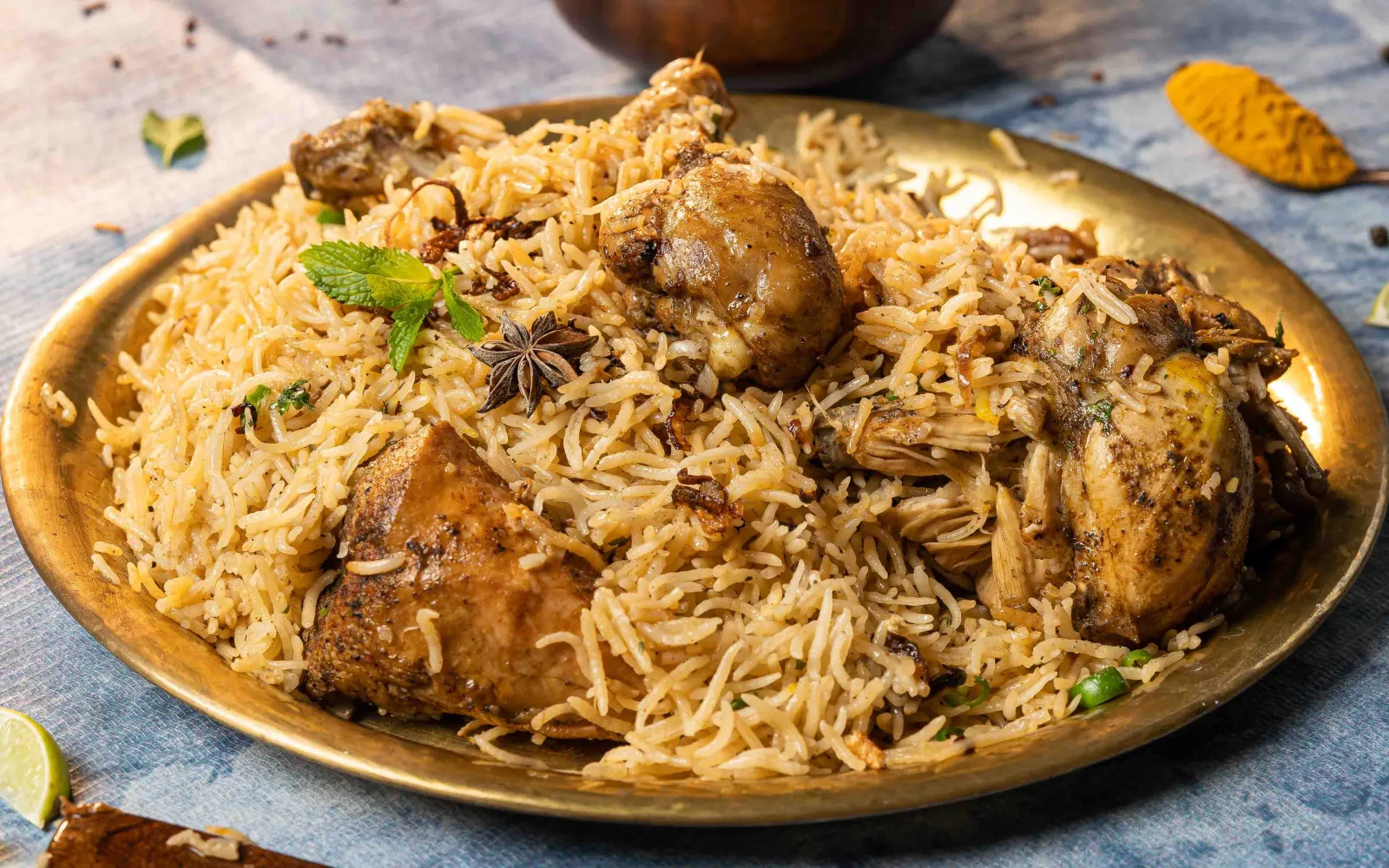
If you cook Pakistani food at home, you are already halfway to Middle Eastern cooking. Both cuisines rely on cumin, coriander, garlic, lemon, yogurt, slow-cooked onions and rice. The difference is mostly in proportions and finishing touches: more lemon, more olive oil, fresh herbs by the handful, and spices used to warm a dish rather than make it fiery.
This guide covers what to stock, which local ingredients stand in for harder-to-find ones, and a short list of dishes to cook first.
What you already own
Check your kitchen before you shop. These everyday items do most of the work:
- Zeera (cumin) and sabut dhania (coriander seeds): the backbone of most Middle Eastern spice blends. Toast and grind them fresh if you can.
- Kali mirch, dalchini, laung, elaichi: black pepper, cinnamon, cloves and cardamom are the core of a homemade baharat-style blend.
- Dahi (yogurt): for marinades, sauces and cooling side dishes.
- Lehsan, nimbu, pyaz, tamatar: garlic, lemon, onion and tomato appear in almost every dish.
- Hara dhania and pudina: fresh coriander and mint, used generously in salads and garnishes.
- Kabuli chana: the large white chickpeas for hummus, and also for stews and salads.
- Anday, chicken and gosht: the proteins behind shakshuka, shawarma and grilled kebabs.
What to buy once
A few items are worth adding. Most are available in larger supermarkets or online.
- Tahini: sesame paste, essential for hummus and dressings. If you cannot find it, blend lightly toasted white til with a little neutral oil until smooth. The texture will be coarser, but it works.
- Olive oil: use a decent one for finishing and dressings, and keep your regular cooking oil for frying.
- Paprika or Kashmiri lal mirch: gives colour and mild heat. Kashmiri chilli is a good match because it colours a dish without overwhelming it.
- Pita or flatbread: khameeri roti, kulcha or plain naan from your local bakery all work in a pinch.
- Sumac: a tart, red spice. Optional, but it makes salads and grilled meat taste noticeably more Levantine.
Smart substitutions
You do not need a specialty shop to start. These swaps are reasonable:
- Sumac: lemon zest plus a squeeze of juice gives a similar sourness.
- Pomegranate molasses: simmer a little anardana powder with lemon juice and a pinch of sugar for a sharp, fruity glaze.
- Baharat: mix ground black pepper, cumin, coriander, cinnamon, cloves, cardamom and paprika. It is close to garam masala, but with more paprika and less heat.
- Labneh: hang plain dahi in a muslin cloth for a few hours until thick, then salt it.
- Za'atar: toast sesame seeds and mix with dried thyme or oregano and a little lemon zest. It will not be identical, but it is good on flatbread with olive oil.
Three habits that change the flavour
1. Go easier on the masala. Pakistani cooking often builds flavour through a long bhuna of onion, tomato and spices. Middle Eastern dishes usually use fewer spices, so each one is easier to taste. Start with about half the spice you would normally add.
2. Finish with fresh, sour and rich. Lemon juice, chopped herbs and a drizzle of olive oil just before serving lift a dish. Add them off the heat so they stay bright.
3. Season in layers. Salt the marinade, the sauce and the salad separately. Taste each one on its own, then together.
Five dishes to cook first
Each of these uses techniques you already know.
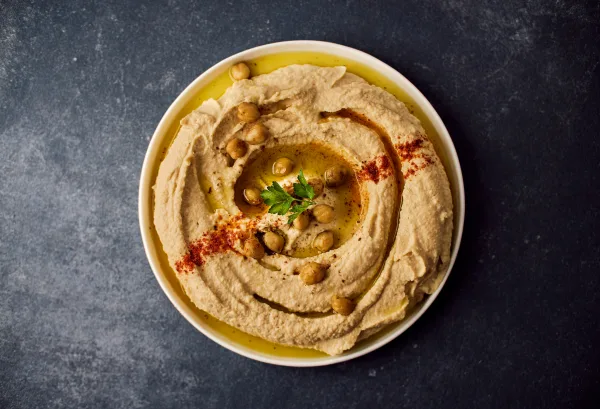
- Hummus. Start with Silky Hummus. Overcook the chickpeas until they crush easily between your fingers, and blend while they are still warm. A splash of ice-cold water at the end makes the texture lighter.
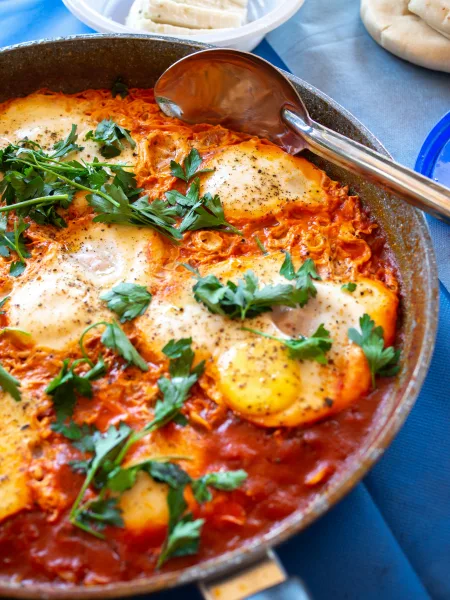
- Shakshuka. Shakshuka is close to a tomato-based anda curry, with eggs poached in a spiced sauce. Serve it in the pan with bread for scooping. It works for breakfast, lunch or a quick dinner.
- Shawarma bowl. The Chicken Shawarma Bowl uses a yogurt-and-spice marinade, which is familiar territory if you make tikka. Serve it over rice with salad, pickles and garlic sauce.
- A karahi with a Middle Eastern twist. Once you are comfortable, make your regular Chicken Karahi and serve it with hummus, a chopped cucumber-tomato salad and warm bread. It shows how well the two cuisines sit on one table.
- Spiced rice. Rice dishes such as mandi and kabsa use whole spices, and a Chicken Biryani already teaches you how to layer rice, meat and aromatics. Try cutting back on chilli and adding a little extra cinnamon and cardamom.
A simple first menu for tonight
If you want something achievable in one evening, try this:
- Marinate boneless chicken in dahi, lemon juice, garlic, cumin, paprika, salt and pepper. Leave it for at least 30 minutes.
- Boil or open a tin of chickpeas and make hummus.
- Chop cucumber, tomato, onion and mint. Dress with lemon juice, olive oil and salt.
- Cook the chicken in a hot pan until browned, then slice it.
- Warm the bread and serve everything together.
Mistakes beginners make
- Using too much garlic raw. Raw garlic gets sharper as it sits. Use less in hummus and dressings, or blend it with lemon juice first and let it rest for a few minutes.
- Skipping the seasoning in chickpeas. Cook them with salt so they taste good on their own.
- Serving food cold from the fridge. Hummus tastes best at room temperature.
- Treating every spice blend as garam masala. Baharat and garam masala overlap, but they are not interchangeable in every dish. Taste as you go.
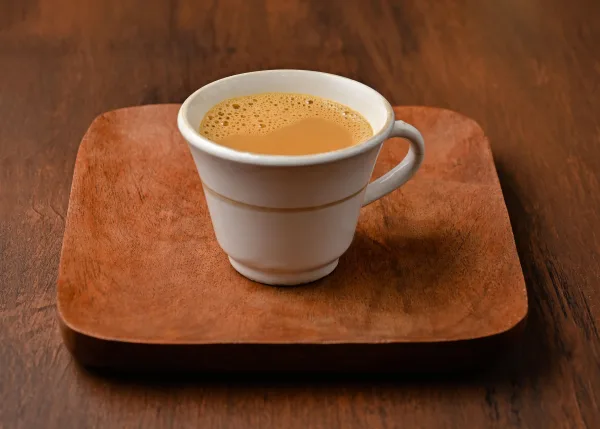
- Forgetting the tea. Middle Eastern meals often end with a small, sweet cup. A cardamom-scented Doodh Patti Chai is a natural finish.
Where to go next
Once you are comfortable with these dishes, explore grilled meats, stuffed vegetables, lentil soups and rice pilafs. Change one thing at a time, write down what you did, and repeat the dishes you enjoy. Your Pakistani kitchen already gives you the skills and most of the pantry.
 Pakistani
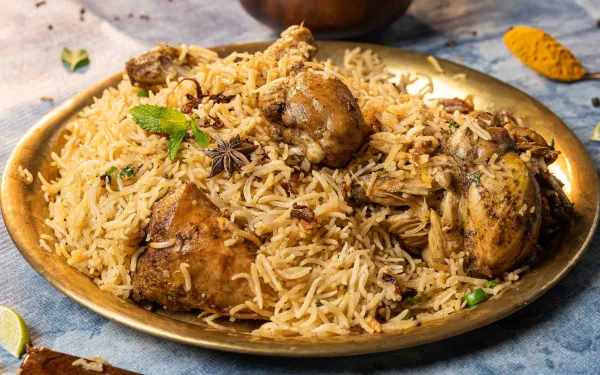
Chicken Biryani
Layers of long-grain basmati and a tangy, spiced chicken masala, steamed together until every grain stays separate. Made with potatoes and dried plums, the way many Karachi homes make it.
 Pakistani
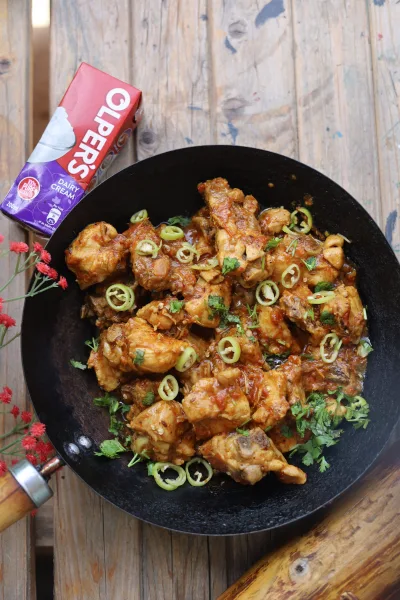
Chicken Karahi
Chicken cooked hard and fast in a wok-shaped karahi with tomatoes, green chilies and ginger. No onions, no cream, and ready in under an hour.
 Middle Eastern
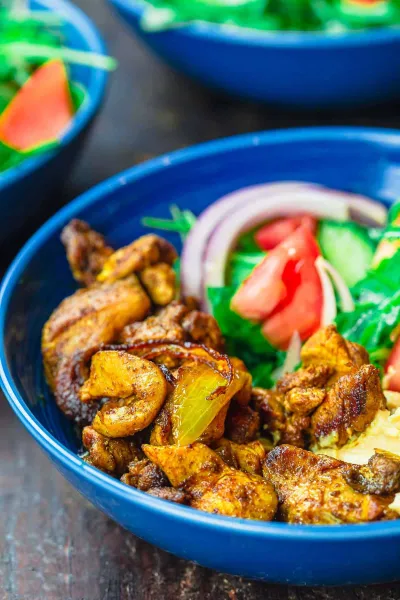
Chicken Shawarma Bowl
Spiced grilled chicken thigh over rice and salad with garlic-yogurt sauce. Marinate the night before for the best flavour.
 Pakistani
Doodh Patti Chai
Strong black tea brewed straight in milk, the way it is poured at dhabas across Pakistan. Add cardamom if you like.
 Middle Eastern
Shakshuka
Eggs poached in a peppery tomato sauce with cumin and paprika, served straight from the pan with warm bread.
 Middle Eastern
Silky Hummus
Very smooth hummus from canned chickpeas, blended with tahini, lemon and ice water.