A Beginner's Guide to Pakistani Home Cooking: Bhuna, Tarka and Dum
Three techniques sit behind most everyday Pakistani food. Learn what bhuna, tarka and dum mean, how to tell they're working, and which dishes to cook first.
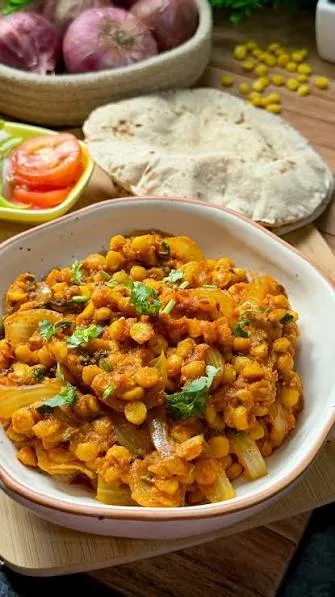
Most Pakistani home cooking rests on three ideas: bhuna (frying a masala until it's deeply cooked), tarka (a hot, flavoured fat poured or stirred in), and dum (sealed, gentle steam cooking). Learn to recognise each one by sight and sound, and you can follow almost any recipe with confidence.
Bhuna: cooking the masala properly
Bhuna means frying and stirring a base of onion, ginger, garlic, tomato and spices until the raw taste is gone and the oil separates. It is the step that most often decides whether a curry tastes rich or flat.
How it goes, step by step:
- Heat oil or ghee in a heavy pan (a karahi or a thick-bottomed pot works well).
- Fry sliced onions until golden. Don't rush this; pale onions give a sharp taste, burnt ones give bitterness.
- Add ginger-garlic paste and cook for a minute until the raw smell fades.
- Add tomatoes and ground spices: salt, red chilli, turmeric, coriander powder.
- Cook, stirring and splashing in a spoonful of water whenever it sticks, until the masala turns thick and jammy and oil shines around the edges.
- Only then add your meat or vegetables and continue.
Signs it's ready: the masala pulls together into a paste, it smells sweet rather than sharp, and a ring of oil separates at the sides.
Where to practise bhuna
Chicken Karahi is a good test of the idea. The tomato-forward masala cooks down quickly and rewards attention. For a vegetarian version of the same principle, the Chana Daal with Onion-Tomato Masala and Garlic Tarka builds a bhuna base before the daal goes in.
Tarka: the finishing sizzle
Tarka (also called baghaar or chaunk) is fat heated with flavourings, then added to a dish, usually at the end. It's why a plain pot of boiled daal turns into something you want to eat with roti.
Common tarka ingredients:
- Ghee or oil
- Sliced or whole garlic
- Cumin seeds
- Whole dried red chillies
- Sliced onion
- Ginger, curry leaves or mustard seeds in some households
Basic method:
- Have everything cut and within reach before you start. Tarka takes under two minutes.
- Heat ghee in a small pan over medium heat.
- Add cumin seeds first; when they sizzle and darken slightly, add garlic.
- Cook garlic until golden, not brown. Add dried chillies for the last few seconds.
- Pour the sizzling fat straight over the daal and cover the pot briefly to trap the aroma.
Daals to learn tarka on
Each of these uses tarka a little differently, so cooking a few teaches you the range:
- Masoor Daal with Tarka: quick-cooking and forgiving, a good first attempt.
- Moong Daal with Garlic Tarka: light and simple, so the garlic stands out.
- Mash ki Daal with Ginger and Garlic Ghee Tarka: a richer, more robust daal that suits a generous ghee finish.
- Sarson ka Saag with Ghee Tarka: shows that tarka isn't only for daal. It lifts slow-cooked greens too.
Dum: steam and patience
Dum means cooking in a sealed pot over very low heat, so the food steams in its own moisture. It's the technique behind biryani, and it's also used to finish korma, rice dishes and some daals.
What you need:
- A heavy pot with a tight-fitting lid
- A way to seal the lid: a strip of dough (atta) pressed around the rim, or foil under the lid, or a folded damp cloth with a weight on top
- A tawa or flat griddle under the pot to soften the heat, if your burner runs hot
How to do it:
- Cook your meat or masala until nearly done, and par-cook rice (usually about 70 percent) if you're layering.
- Layer in the pot, keeping steam-releasing items like fried onions, herbs or a little ghee between layers.
- Seal the lid.
- Cook on the lowest heat for the time your recipe gives, typically 15 to 30 minutes.
- Turn off the heat and rest for a few minutes before opening.
Common mistakes:
- Heat too high, which scorches the bottom layer.
- Rice cooked past par-boiled before layering, which ends up mushy.
- Lifting the lid repeatedly. Every peek lets steam escape.
How the three fit together
You'll often combine them in one meal. A typical weeknight might be:
- A bhuna-based chicken or vegetable curry
- A pot of daal finished with tarka
- Plain rice, or rice given a short dum to finish
A few habits help across all three:
- Prep first. Onions sliced, ginger-garlic ready, spices in small bowls. The pace of bhuna and tarka doesn't allow chopping mid-cook.
- Use a heavy pan. Thin pans burn masalas and make dum unreliable.
- Watch, smell, listen. Sizzling should be steady, not violent. When a smell turns sharp, act.
- Salt in stages. Add some early to draw moisture from onions, and adjust at the end.
A simple first week
If you're starting from scratch, this order builds skills one at a time:
- Night one: Masoor Daal with Tarka. Learn tarka timing.
- Night two: Moong Daal. Practise the garlic tarka again and notice the difference.
- Night three: Chana Daal with Onion-Tomato Masala. Add a bhuna base.
- Weekend: Chicken Karahi. Put bhuna to a bigger test.
- Later: Mash ki Daal or Sarson ka Saag when you want something slower and richer, then try a dum dish once you're comfortable with your pot and stove.
Repeat any of these until the timing feels natural. Recognising the sound of onions browning, the smell of ready garlic and the look of separated oil will do more for your cooking than any single recipe.
 Pakistani
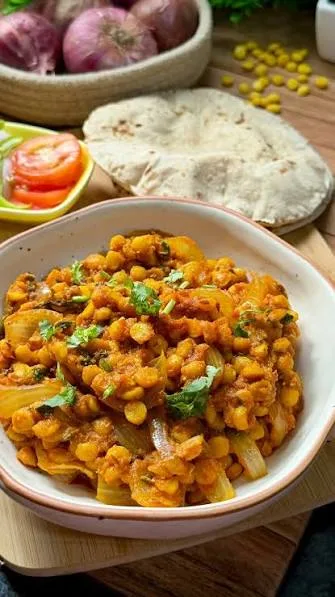
Chana Daal with Onion-Tomato Masala and Garlic Tarka
Split chickpeas simmered until tender but still whole, then folded into a golden onion-tomato masala and finished with a sizzling garlic and cumin tarka. A hearty everyday lunch for rice or roti.
 Pakistani
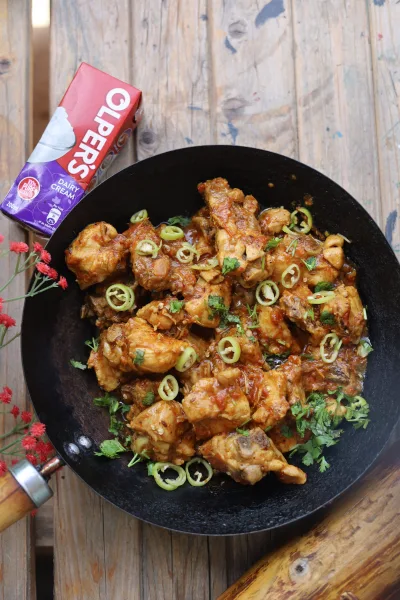
Chicken Karahi
Chicken cooked hard and fast in a wok-shaped karahi with tomatoes, green chilies and ginger. No onions, no cream, and ready in under an hour.
 Pakistani
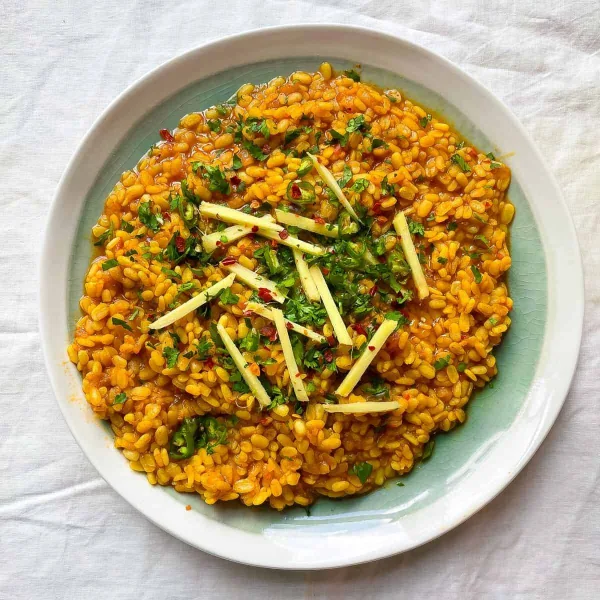
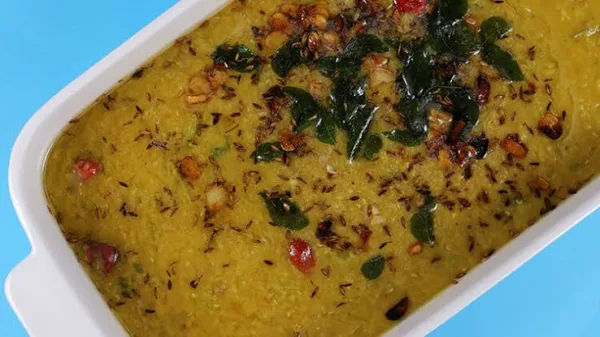
Mash ki Daal
A thick, creamy daal of split black gram simmered with ginger and a light onion-tomato masala, then topped with sizzling garlic and cumin ghee. Rich, filling and good with roti or rice.
 Pakistani
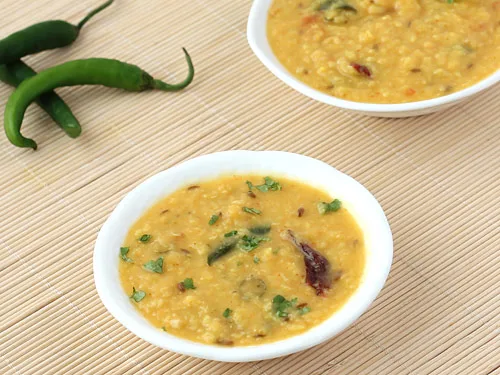
Masoor Daal with Tarka
Red lentils simmered until silky, then finished with a sizzling tarka of cumin, garlic and dried chilies. Weeknight comfort for very little money.
 Pakistani
Moong Daal
A soft, gently spiced pot of split yellow moong lentils finished with a sizzling garlic and cumin tarka. Light, quick and easy to digest-friendly cooking for everyday lunches with rice or roti.
 Pakistani
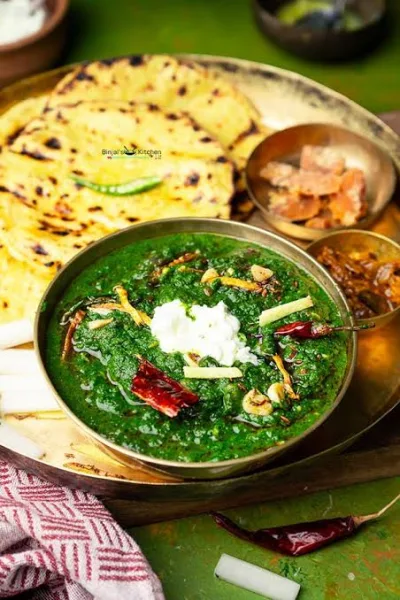
Sarson ka Saag
A thick, deeply savoury Punjabi winter dish of slow-cooked mustard greens and spinach, thickened with cornmeal and finished with a sizzling garlic-ginger ghee tarka. Best with makki ki roti.