A Beginner's Guide to Indian Home Cooking
Start with a small spice kit, learn two core techniques, and cook six approachable dishes that teach you how Indian home cooking works.
Indian home cooking looks complicated because of the long spice lists. In practice, most everyday dishes rely on a handful of spices, a few repeating techniques and a bit of patience with onions. Learn those, and a lot of recipes start to feel familiar.
Start with a small spice kit
You don't need thirty jars. These cover a large share of home recipes, and all are easy to find in Pakistani grocery stores:
- Whole spices: cumin seeds (zeera), mustard seeds, cloves, green cardamom, cinnamon sticks, bay leaf, black peppercorns
- Ground spices: turmeric (haldi), red chilli powder, coriander powder, garam masala
- Extras worth buying early: dried fenugreek leaves (kasuri methi), asafoetida (hing), chaat masala
Buy small quantities. Ground spices lose their punch over time, so a jar you finish in a few months will taste better than a big bag you open once a year.
Gather the basic equipment
A heavy-bottomed pot or kadhai, a wide frying pan (tawa) for flatbreads, a sharp knife and a small pan for tempering are enough. A pressure cooker is useful for dal and chickpeas, but a regular pot with more time works too.
Learn the two core techniques
1. Tempering (tarka or tadka)
Tempering means blooming spices in hot fat, then adding them to a dish, either at the start or poured over at the end. The steps are simple:
- Heat oil or ghee until it shimmers.
- Add whole spices such as cumin or mustard seeds. Wait until they sizzle or pop.
- Add aromatics like garlic, dried chillies or curry leaves for a few seconds.
- Pour the mixture over cooked dal, or continue building your curry.
The most common beginner mistake is burnt spices. If the fat smokes or the garlic turns dark brown, start again. Bitter tempering can't be fixed later.
2. Building the masala base
Many curries begin with the same sequence, often called the bhuna method:
- Cook sliced or chopped onions in oil until they are soft and golden. This takes longer than most recipes admit, often 10 to 15 minutes.
- Add ginger-garlic paste and cook until the raw smell fades.
- Add tomatoes and ground spices.
- Cook, stirring often, until the oil separates at the edges of the masala.
That last step is your signal. When oil visibly pools around the paste, the raw taste of the spices and tomatoes has cooked out, and you can add water, vegetables, meat or lentils.
Prep before you turn on the stove
Indian recipes move quickly once cooking starts, especially tempering. Before you heat any oil:
- Chop the onions, tomatoes and other vegetables.
- Make or measure your ginger-garlic paste.
- Put each spice in a small bowl or on a plate, in the order you'll use it.
- Have water nearby for adjusting the gravy.
This habit does more for a beginner than any special ingredient.
Season in layers
Add salt early with the onions, since it helps them soften. Add ground spices after the tomatoes so they cook without scorching. Save garam masala, fresh coriander and lemon juice for the end, when their aroma is strongest. Taste before serving and adjust salt, sourness and heat.
Six dishes to cook first
Each of these teaches a different skill, so you'll build range as you go.
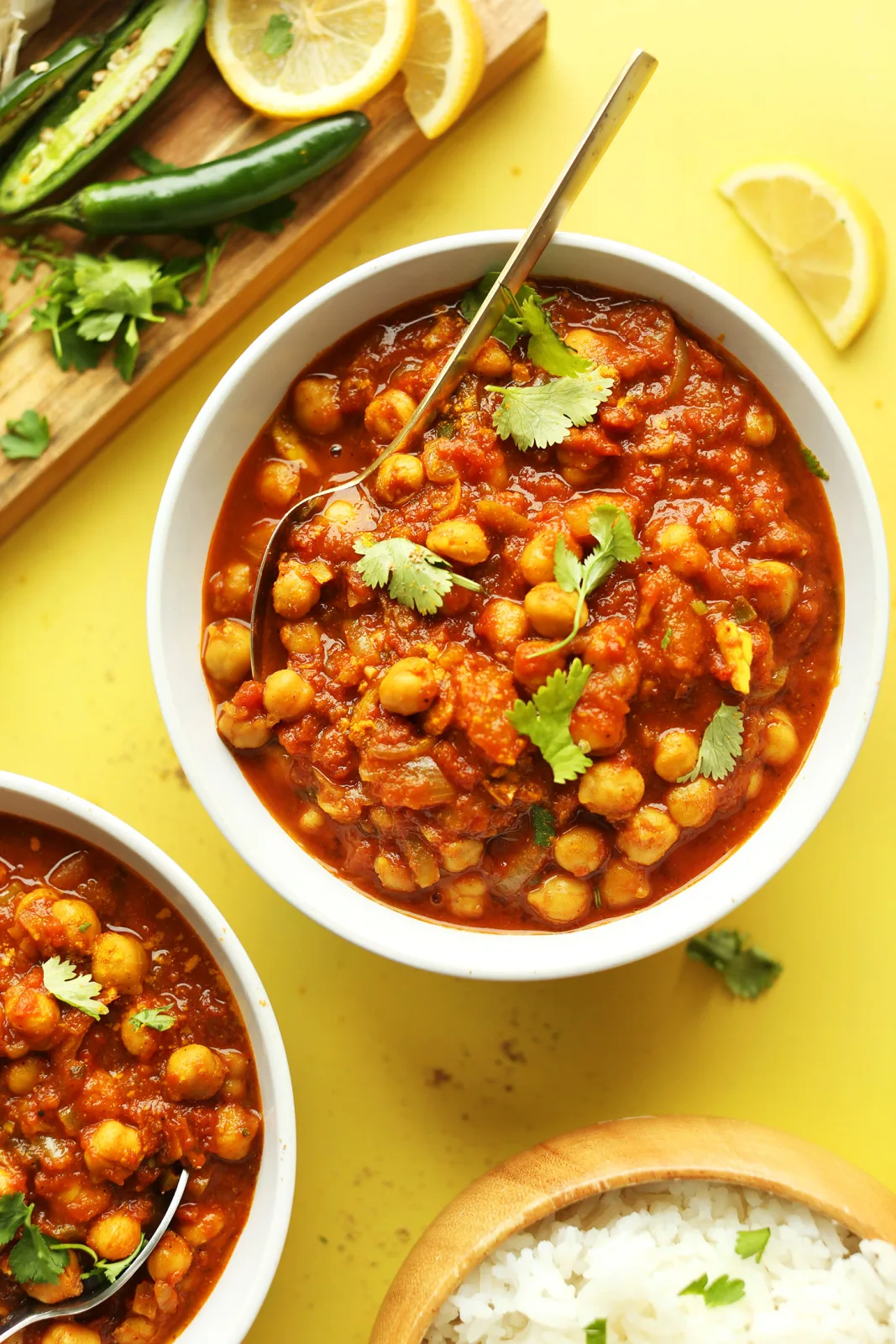
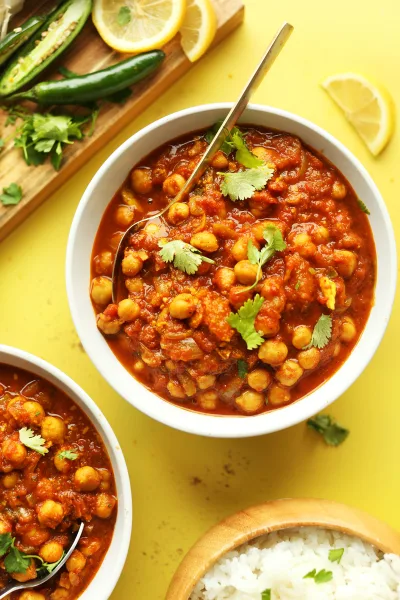
Chana Masala: the base-building lesson. Chana Masala is a good first curry because chickpeas are forgiving. You practise browning onions, cooking tomatoes down until the oil separates, and balancing spice and tang.
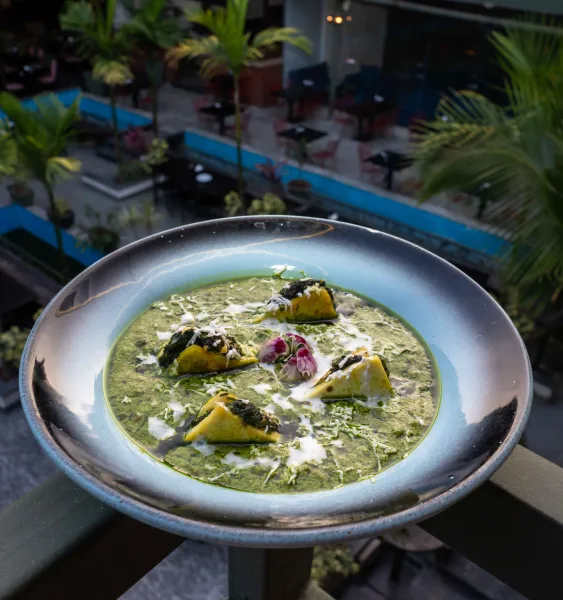
Palak Paneer: handling greens and dairy. Palak Paneer shows you how to cook and blend spinach, and how to add paneer gently so it stays soft. Don't overcook the spinach or you'll lose its fresh colour.
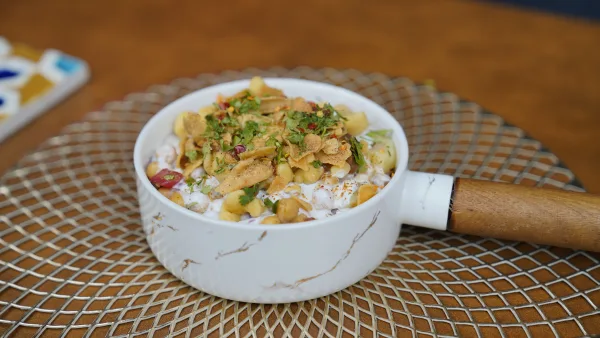
Sabudana Khichdi: technique over ingredients. Sabudana Khichdi depends on soaking tapioca pearls properly so they end up separate rather than gluey. It's a lesson in preparation and texture.
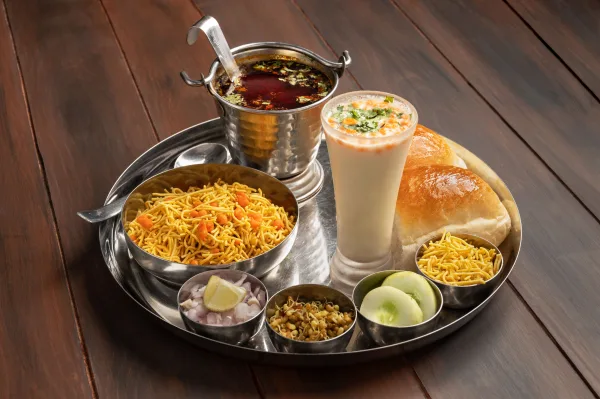
Misal Pav: layering flavours. Misal Pav is a Maharashtrian dish built from sprouted lentil curry, a spicy rassa and crunchy toppings. It teaches you to think of a dish as components you assemble.
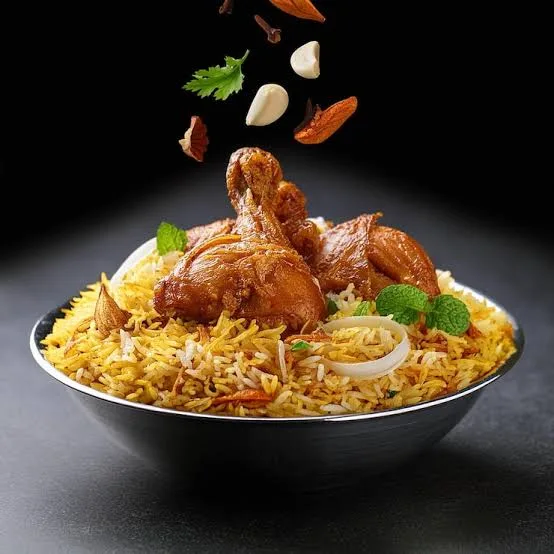
Hyderabadi Chicken Biryani: a weekend project. Hyderabadi Chicken Biryani brings together marination, par-cooked rice and sealed slow cooking (dum). Read the recipe fully before you start, and do the prep the day before if you can.
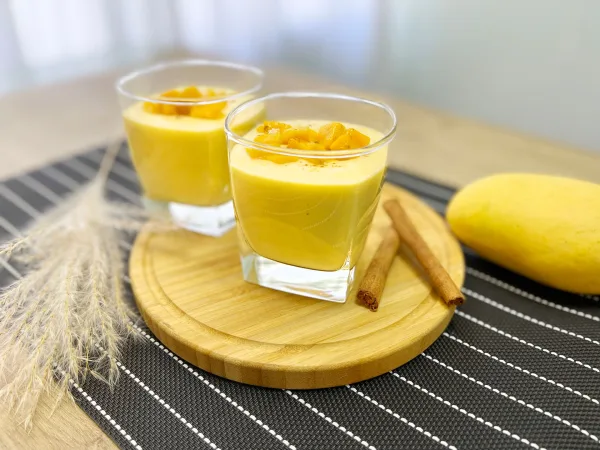
Mango Lassi: a quick cooling drink. Mango Lassi takes minutes and pairs well with spicy food. It's an easy win when the main course has been a longer effort.
Plan a simple meal
A home meal is usually a few components rather than one big dish. A weeknight plate might be:
- One curry or dal
- Rice or roti
- A quick side such as sliced onion with lemon, plain yoghurt or a simple raita
- Pickle, if you like
Start with one new element per meal. If you're learning a curry, buy the roti or make plain rice. Add a second new skill the next time.
Common beginner mistakes
- Rushing the onions. Pale onions give a raw, sharp curry. Let them colour properly.
- Adding too much water too soon. You can always thin a gravy, but it's harder to thicken one without dulling the flavour.
- Skipping the resting time. Dal, biryani and many curries taste better after ten minutes off the heat with the lid on.
- Copying restaurant richness. Home cooking is usually lighter on oil and cream. Follow the recipe's quantities before adjusting.
- Changing everything at once. Cook a recipe as written first, then note what you'd change.
A simple plan for this week
- Buy the spices in the starter list above.
- Cook Chana Masala with plain rice and practise the onion-tomato base.
- Try a tempered dal a few days later to practise the tarka.
- Save Palak Paneer or Sabudana Khichdi for the next round.
- Keep biryani for a weekend, when you have time to enjoy the process.
Write short notes after each cook: what you'd salt more, cook longer or skip. Within a few dishes you'll start to recognise the pattern behind the recipes, and that's what makes cooking without constantly checking a screen possible.
 Indian
Chana Masala
Chickpeas in a dark, tangy onion-tomato masala with amchur and garam masala. Pantry cooking at its best.
 Indian
Hyderabadi Chicken Biryani
Bone-in chicken marinated in yogurt and spices, layered with par-boiled basmati, fried onions, herbs and saffron, then sealed and cooked on dum. Best made for a weekend table; allow 2 hours for marinating.
 Indian
Mango Lassi
Ripe mango blended with yogurt, milk and a pinch of cardamom. Best in season with Chaunsa or Sindhri mangoes.
 Indian
Misal Pav
A Maharashtrian-style breakfast of tender sprouted beans in a spicy coconut and onion gravy, topped with crunchy farsan and served with buttered, toasted pav. Filling, bold and easy to build in layers.
 Indian
Palak Paneer
Spinach blanched and puréed with onion, garlic and ginger, then simmered with golden cubes of paneer.
 Indian
Sabudana Khichdi
Soft, separate pearls of tapioca tossed with crunchy peanuts, potato, cumin and green chilli. A light, gluten-free breakfast that comes together quickly once the sabudana is soaked.