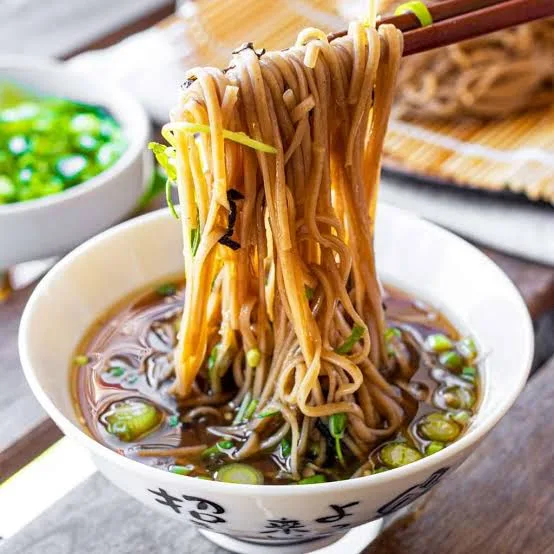
Zaru Soba
Chilled buckwheat noodles served on a bamboo-style tray with a light dashi dipping sauce. It is a cooling, quick lunch for hot days that needs no oil and very little cooking.
Published 1 Oct 2026Tested by Hina Ikram
Ingredients
Equipment: Large pot, colander, small saucepan, medium bowl for ice water, tray or flat plate, small dipping bowls
Method
Wipe the kombu with a dry cloth. Put it in a small saucepan with 300 ml water and let it soak for 10 minutes.
Heat the pan over medium heat until tiny bubbles form around the edge, about 5 minutes. Remove the kombu before the water boils so the stock does not turn bitter.
Add the soy sauce, mirin and sugar and bring to a gentle simmer. Stir in the bonito flakes, turn off the heat and leave for 2 minutes.
Strain the sauce through a fine sieve into a bowl. Cool it to room temperature, then chill in the fridge while you cook the noodles.
Bring a large pot of water to a rolling boil. Fill a bowl with cold water and ice cubes.
Add the soba and stir gently so the strands separate. Cook for the time on the packet, usually 4 to 5 minutes, until tender with a slight bite. Add a splash of cold water if the pot foams up.
Drain into a colander and rinse under cold running water, rubbing the noodles gently with your hands to wash off surface starch. Plunge them into the ice water for 30 seconds, then drain very well.
Divide the noodles into two portions and fold each into a neat mound on a tray or plate. Scatter nori strips and sesame seeds on top.
Pour the chilled sauce into two small bowls. Serve with the spring onions, wasabi and grated ginger on the side to stir into the sauce as you like. Lift a few noodles, dip them lightly and eat.
Cooking tips
- Rinse the noodles well under cold water. Starch left on the surface makes them sticky and gummy.
- Check the packet for the buckwheat content. Some soba is mixed with wheat flour, which matters if you need to avoid gluten.
- Make the dipping sauce a few hours ahead so it is properly cold and the flavours settle.
- Keep the dipping sauce on the lighter side. Noodles are meant to be dipped, not soaked.
Substitutions
- No kombu or bonito flakes: use 300 ml water with 1 tsp instant dashi granules in place of the first three steps of the stock.
- No mirin: use 2 tbsp water with 1 tbsp sugar or honey added to the sauce.
- No wasabi: use a little mustard paste or finely chopped green chilli.
- No soba: whole wheat spaghetti works, though the flavour will be different.
Serve with
"Serve with cucumber slices, a soft-boiled egg or a few pieces of vegetable tempura. Pour the hot noodle water into the leftover dipping sauce at the end and drink it as a warm broth."
Storage
Keep the dipping sauce in a covered jar in the fridge for up to 3 days. Cooked soba is best eaten within the hour; if needed, store rinsed and drained noodles covered in the fridge for up to 1 day.
Reheating
Do not reheat the dish, as it is served cold. If chilled noodles have stuck together, dip them briefly in cold water and loosen with your fingers.
Nutrition per serving, estimated
Estimated from the ingredient list. Values vary with brands and portion size.
You might also cook
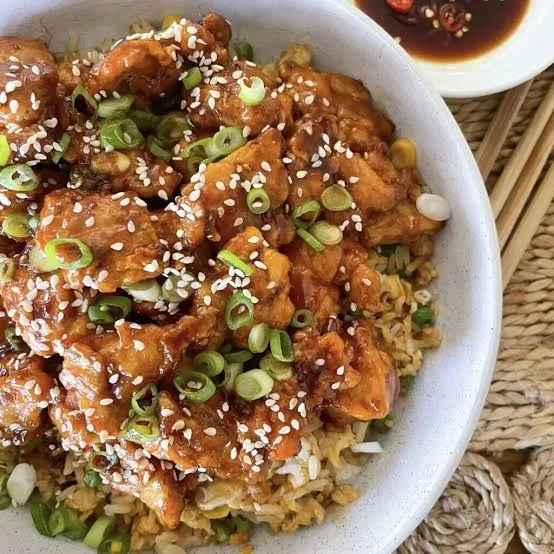 Chinese
Chicken Fried Rice
Day-old rice stir-fried hot with chicken, egg, peas, carrot and soy. Faster than ordering in.
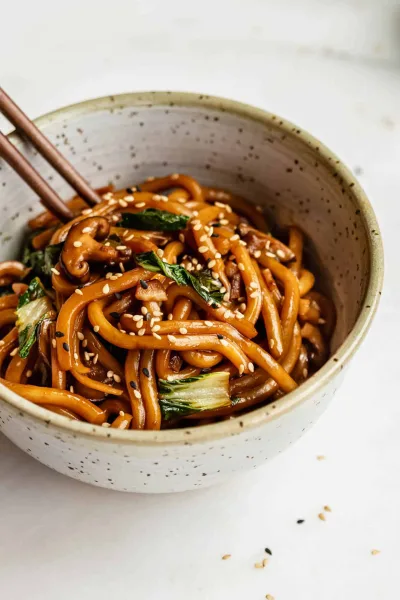 Japanese
Yaki Udon
Chewy udon noodles stir-fried with chicken, cabbage and carrot in a savoury-sweet soy sauce. It is a quick one-pan lunch that comes together in about 25 minutes.
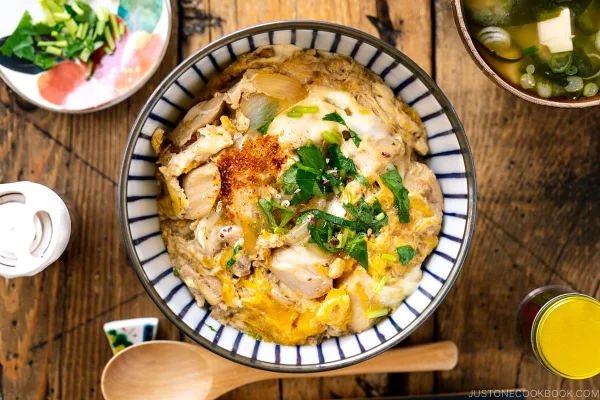 Japanese
Oyakodon
A Japanese rice bowl of tender chicken thigh and softly set egg simmered in a sweet-savoury dashi sauce. It is quick, filling and made in one pan.
 Japanese
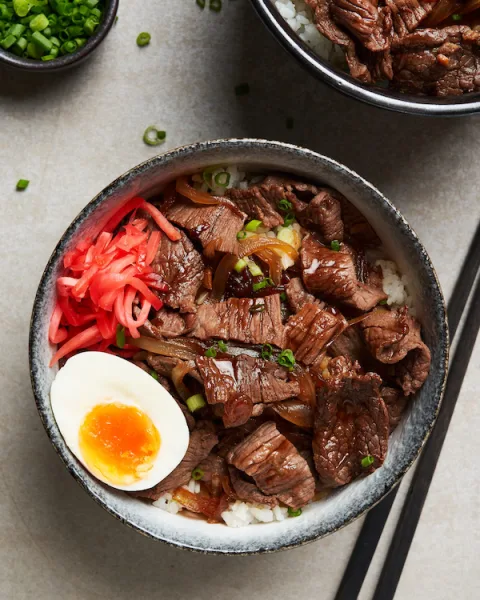
Gyudon Beef Rice Bowl
Thinly sliced beef and soft onions simmered in a sweet-savoury soy and dashi broth, spooned over steamed rice. A quick weekday lunch that needs one pan.
Asian kitchen
 Japanese
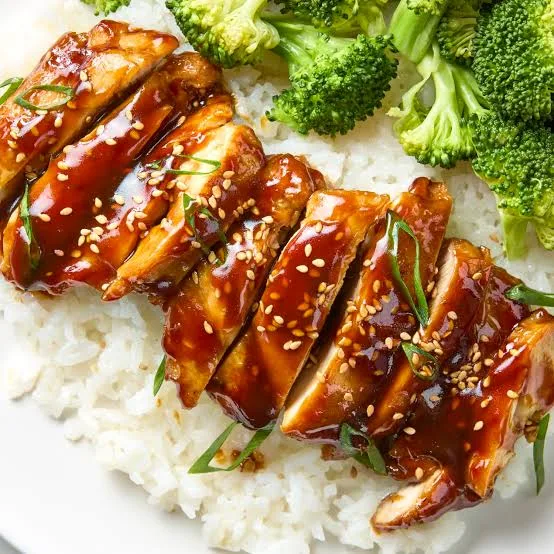
Chicken Teriyaki
Pan-seared boneless chicken thighs brushed with a glossy soy, ginger and garlic glaze. It comes together in about 40 minutes and suits a weeknight dinner with rice.
 Japanese
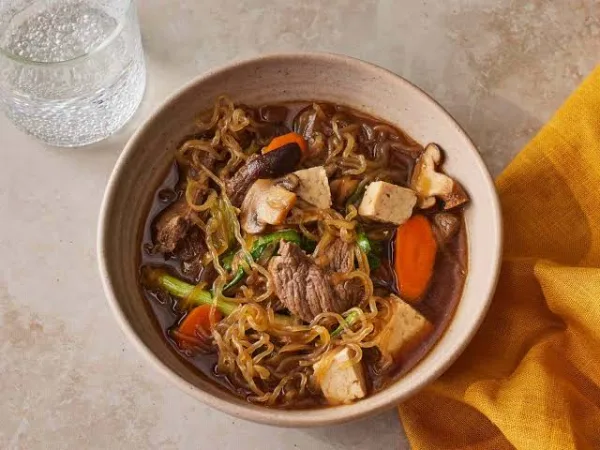
Beef Sukiyaki
Thinly sliced beef, tofu and vegetables simmered in a sweet-savoury soy broth in one wide pan. Cook it at the table for a relaxed, shared weeknight dinner.
 Japanese
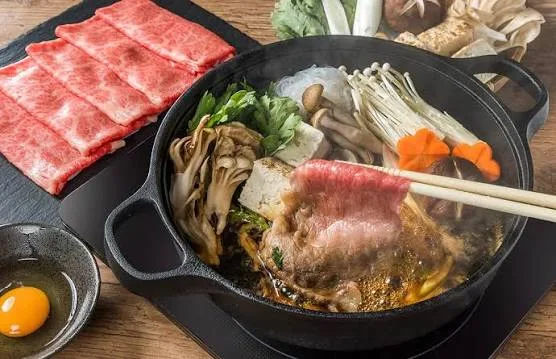
Shabu Shabu
A Japanese hot pot where paper-thin beef and vegetables are swished through a light kombu broth at the table, then dipped in sesame and citrus sauces. Good for a slow, shared dinner.
 Japanese
Yakisoba
Japanese stir-fried wheat noodles with chicken, cabbage and carrot in a tangy-sweet sauce. It's a fast one-pan lunch that uses noodles and vegetables you can find in most Pakistani stores.