Italian Cooking Beyond Pizza: Pasta, Olive Oil and Simple Sauces
Italian home cooking relies on a few ingredients and good technique. Here is how to cook pasta well, use olive oil sensibly and make sauces that take 30 minutes or less.
Most everyday Italian cooking is short on ingredients and long on technique. A plate of pasta might have five items in it, so how you cook them matters more than how many you buy. That is good news if you are cooking on a weeknight in Lahore, Karachi or Islamabad, because almost everything you need is in a regular supermarket.
Cook the pasta properly first
Most disappointing home pasta comes from the pasta step, not the sauce.
- Use a big pot. Pasta needs room to move. Use at least 1 litre of water for every 100 g of dried pasta.
- Salt the water well. Add it once the water boils. A good rule is about 1 tablespoon of fine salt for 2 litres of water. The water should taste clearly seasoned, like mild broth.
- Skip the oil in the water. It does not stop sticking. Stir in the first minute instead.
- Cook it 1–2 minutes short of the packet time. It will finish cooking in the sauce.
- Save a mug of pasta water before draining. The starchy water is what turns oil or tomato into a sauce that clings.
The step that makes it taste Italian
Finish the pasta in the sauce. Drain it, tip it into the pan with the sauce over medium heat, and add a splash of pasta water. Toss or stir for a minute or two. The sauce thickens, coats each piece and the dish comes together, instead of sauce sitting on top of plain pasta.
Olive oil: what to buy and how to use it
You do not need an expensive bottle for everything. Think in two jobs:
- Cooking oil: A basic olive oil, or a mild extra virgin, is fine for softening garlic, onions and sautéing mushrooms.
- Finishing oil: Keep a better extra virgin for drizzling over cooked pasta, soups, tomatoes or bread. Heat dulls its aroma, so it works best added at the end.
In Pakistan's heat, storage matters. Keep the bottle in a closed cupboard away from the stove and sunlight. Buy smaller bottles you will finish in a couple of months rather than a large one that sits for a year. Check the label for a harvest or best-before date.
A small Italian pantry
You can cook a lot from a short shopping list:
- Spaghetti and penne (add other shapes later)
- Olive oil
- Whole peeled or chopped tinned tomatoes, or ripe fresh tomatoes in season
- Garlic
- Dried red chilli flakes, which are easy to find and work well here
- Parmesan or another hard, salty cheese for grating
- Fresh basil and parsley, or a pot of basil on the windowsill
- Butter, flour and milk for white sauce
Five sauces to learn first
Each of these teaches a different skill, and none needs special equipment.
1. Oil, garlic and chilli
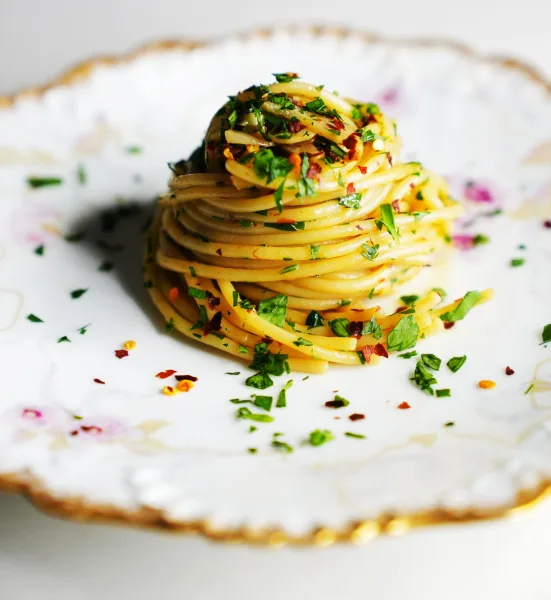
Spaghetti Aglio e Olio is the best test of the basics. Slice the garlic and warm it gently in oil until it just turns pale gold. Burnt garlic turns bitter, so keep the heat low. Add chilli, then toss the spaghetti with a ladle of pasta water until the oil turns glossy and creamy-looking.
2. Tomato and chilli
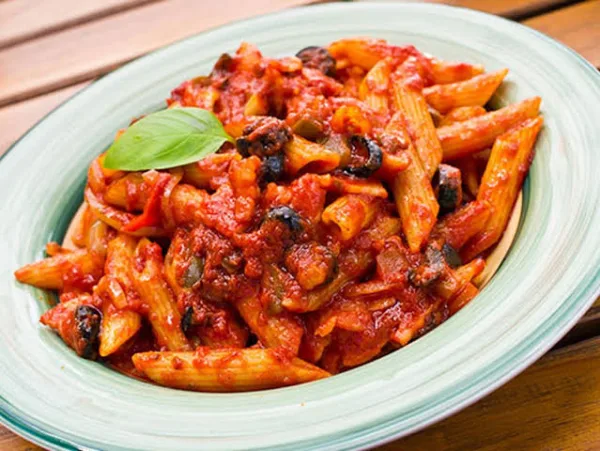
Penne Arrabbiata is a quick tomato sauce with a real kick. "Arrabbiata" means "angry", which refers to the chilli. Simmer the tomatoes until they lose their raw taste and the oil starts to separate at the edges. Adjust the heat to your family's taste.
3. Fresh herbs and raw sauce
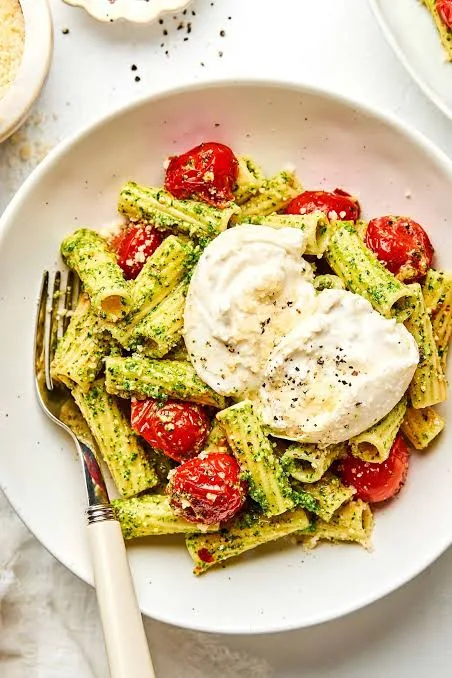
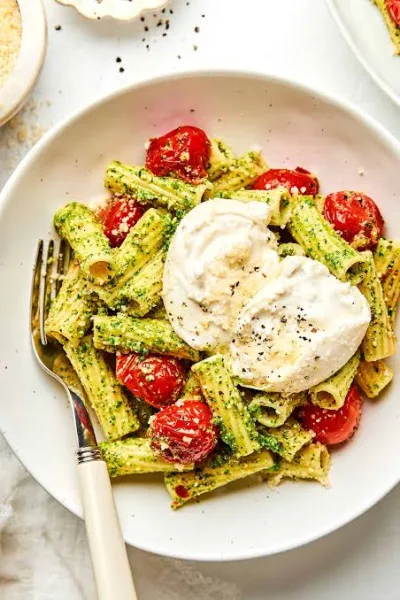
Basil Pesto Pasta with Blistered Tomatoes shows how much flavour you get without cooking a sauce at all. Pesto is never boiled. Stir it into hot pasta off the heat, loosen it with pasta water, and top with tomatoes that have been blistered in a hot pan.
4. Cream and mushrooms
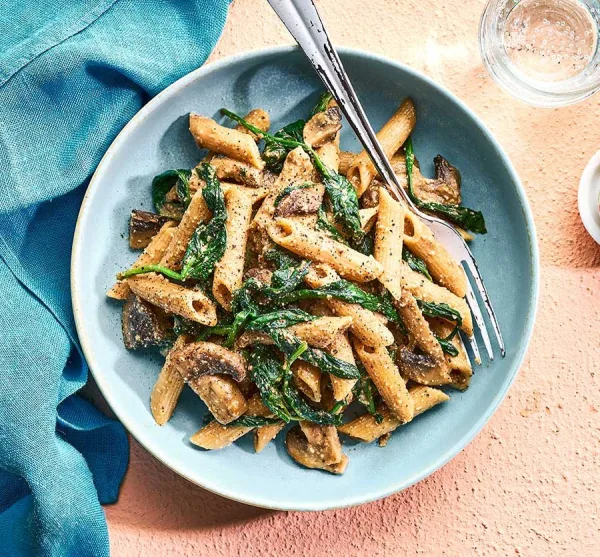
Creamy Mushroom Penne is a good pasta for cooks who like a richer dish. Let the mushrooms brown properly in a wide pan before adding anything else. Crowding the pan makes them steam and turn grey. Add cream at the end and simmer gently, so it does not split.
5. White sauce and layers
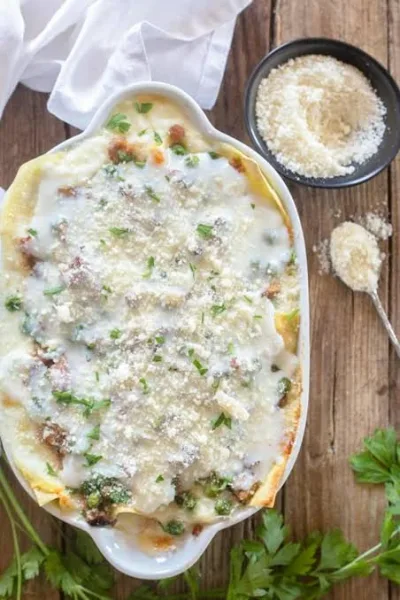
Beef Lasagna with Creamy White Sauce is a weekend project rather than a 20-minute dinner. It brings together a meat sauce and a béchamel (butter, flour and milk cooked into a smooth sauce). Cook the flour in the butter for a minute before adding warm milk a little at a time, whisking constantly, to avoid lumps.
Match the shape to the sauce
You do not need to memorise rules, just a few pairings:
- Long strands like spaghetti suit oil-based and light tomato sauces that coat the surface.
- Tubes and ridged shapes like penne hold on to chunky or creamy sauces, which get inside the pasta.
- Flat sheets are for baking in layers, as in lasagna.
If you only have one shape at home, cook it anyway. A well-made sauce on the "wrong" pasta still beats a rushed one on the "right" one.
Common mistakes and quick fixes
- Sauce too thick or dry: Add a splash of pasta water and toss again.
- Sauce too watery: Simmer it uncovered a few more minutes, or toss the pasta in the pan longer.
- Flat flavour: Check salt first, then add a squeeze of lemon, a pinch of chilli or a little grated cheese.
- Pasta sticking together: The pot was too small or you did not stir early. Stir during the first minute of cooking.
- Bitter garlic: The oil was too hot. Start again, and add garlic to cool or warm oil, not smoking oil.
Pizza is still part of the story
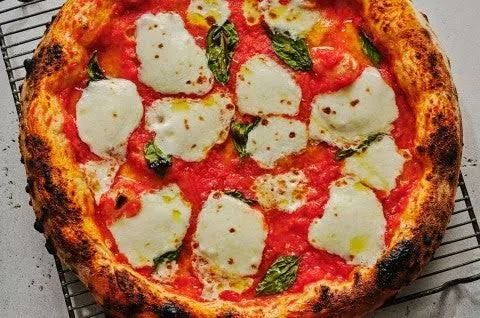
You do not have to give up pizza to cook more Italian food. The same habits, such as good tomatoes, restraint with toppings and careful heat, are what make a Margherita Pizza work: dough, tomato, mozzarella and basil, nothing else.
A simple plan for tonight
- Start with Spaghetti Aglio e Olio. It uses pantry items and takes about as long as boiling the pasta.
- Next time, cook Penne Arrabbiata to practise a tomato sauce.
- Once you are confident, try the pesto and mushroom dishes.
- Save lasagna for a weekend when you have time to build it.
Salt the water, save some pasta water and finish the pasta in the pan. Those three habits will improve every dish here.
 Italian
Basil Pesto Pasta with Blistered Tomatoes
Fresh basil pesto tossed through spaghetti with blistered cherry tomatoes and a splash of starchy pasta water. A bright, herby dinner that is ready in about 30 minutes.
 Italian
Beef Lasagna with Creamy White Sauce
Layers of slow-simmered beef and tomato sauce, silky white sauce and melted mozzarella baked until golden. A generous family dish that feeds a crowd and reheats well.
 Italian
Creamy Mushroom Penne
Penne in a garlicky mushroom cream sauce with parmesan and black pepper. On the table in half an hour.
 Italian
Margherita Pizza
A thin, chewy homemade pizza with a simple tomato sauce, melted mozzarella and fresh basil. Made in a regular home oven with a preheated tray, it bakes up crisp underneath and soft at the edges.
 Italian
Penne Arrabbiata
Penne tossed in a fiery tomato sauce built on garlic, chilli and olive oil. It is a meat-free, pantry-friendly dinner that is ready in about 30 minutes.
 Italian
Spaghetti Aglio e Olio
Spaghetti tossed with garlic gently fried in olive oil, chili flakes and parsley. Five ingredients, fifteen minutes.