Pakistani-Chinese Cooking at Home: Sauces, Woks and Timing
Chilli chicken, chowmein and fried rice come out better at home when you get three things right: a short list of sauces, a very hot pan and the order you cook in.
Pakistani-Chinese food is its own cuisine. It has the speed of a stir-fry, but the flavour leans towards garlic, black pepper, chilli, vinegar and a little sweetness. Most of what goes wrong at home comes down to three things: too many sauces, a pan that isn't hot enough, and cooking in the wrong order.
The sauces you actually need
You don't need a shelf of bottles. This short list covers chowmein, chilli chicken, manchurian, fried rice and hot and sour soup:
- Light soy sauce: the main seasoning. It adds salt and savoury depth.
- Dark soy sauce: used in small amounts for colour. One teaspoon turns chowmein noodles a proper brown.
- Vinegar: white or Chinese-style. It gives the sharp note in hot and sour soup and balances sweet sauces.
- Chilli garlic sauce: the backbone of chilli chicken and many "dynamite" style dishes.
- Tomato ketchup: used in small amounts for sweet-and-sour and manchurian gravy. It is a signature of the Pakistani style.
- Cornflour: for coating chicken and thickening sauces.
- White or black pepper: plenty of it, especially in soups.
Oyster sauce and a pinch of MSG (ajinomoto) are optional. If you use either, add them at the end and taste before adding more salt, because soy is already salty.
Wok or karahi?
A carbon-steel wok is ideal. It heats fast, and the sloped sides let you toss food and keep it moving. But you don't need to buy one tonight.
A steel or iron karahi works well. If you cook Chicken Karahi already, you own a pan that can handle high heat. Choose the widest, shallowest pan you have. A deep, crowded pot steams food instead of frying it, and steamed noodles go soft.
Whichever pan you use:
- Heat it dry for a minute or two until it is properly hot.
- Add oil, swirl it around, and wait for it to shimmer.
- Cook in batches. Overloading the pan drops the temperature and makes everything watery.
Do all the prep first
Stir-frying takes minutes, so the work is in the preparation. Before you light the stove:
- Slice everything to a similar size. Thin strips of chicken, capsicum and carrot cook at the same speed.
- Mince the garlic and ginger, and slice the spring onions. Keep the white parts and green tops separate.
- Mix the sauce in a bowl.
- Mix a cornflour slurry (1 tablespoon cornflour with 3 tablespoons cold water).
- Keep noodles or rice ready next to the stove.
A timing order that works for most dishes
Most Pakistani-Chinese dishes follow the same sequence:
- Sear the protein. Cook chicken in a single layer on high heat until just done, then remove it. Leaving it in the pan while you cook the vegetables will overcook it.
- Add aromatics. Garlic, ginger and the white parts of spring onions go in for about 20 to 30 seconds. Garlic burns quickly, so keep it moving.
- Add vegetables, hardest first. Carrots and cabbage go in before capsicum and spring onion greens. Keep the heat high and the pieces crisp.
- Add the sauce. Pour it around the edge of the pan so it sizzles as it hits the metal.
- Thicken last. Stir the slurry again (the cornflour settles), pour it in, and stir until the sauce turns glossy. This takes under a minute.
- Return the chicken and finish. Toss, taste, and serve at once.
Crispy chilli chicken
For the crisp coating, marinate bite-sized chicken pieces in soy sauce, pepper, salt, an egg and a couple of spoons of cornflour. Fry in hot oil until golden. Rest the pieces on a rack or paper, not stacked in a bowl.
Then stir-fry the sauce separately: garlic, chilli garlic sauce, a little soy, vinegar and ketchup, then a splash of water. Add the chicken and toss for 20 to 30 seconds only. Serve immediately, because the coating softens as it sits in the sauce.
Chowmein without the mush
- Boil noodles until just under done, and drain them well. Toss them with a teaspoon of oil so they don't clump.
- Spread them on a tray to cool a little. Damp, hot noodles clump and steam in the pan.
- Stir-fry the vegetables and chicken first, then add the noodles.
- Add soy sauce, dark soy and pepper. Toss with tongs or chopsticks rather than stirring with a spoon.
Season in stages and taste at the end. Noodles absorb salt, so the seasoning should taste slightly strong at the start.
Fried rice: use cold rice
Freshly cooked rice is too soft and wet and turns to paste in the pan. Cook the rice ahead, spread it out to cool, and refrigerate it for a few hours or overnight. The grains stay separate and take up the sauce evenly.
Our Chicken Fried Rice is a good place to practise the high-heat, batch-by-batch method. If you have leftover plain rice from a Chicken Biryani night, don't use it here. Biryani rice carries its own spices and will fight with the soy and pepper. Cook a fresh pot of plain rice instead.
For a quick egg addition, scramble the eggs in the pan first, as you would for a Masala Omelette but without the green chilli and coriander. Break them into small pieces and fold them back in at the end.
Building a full meal
Pakistani-Chinese dinners usually work best with contrast: one saucy dish, one dry dish, and something plain to go with them.
- Chilli chicken (dry) with egg fried rice
- Chowmein with a bowl of hot and sour soup
- A sharp, tangy side such as Chana Chaat to cut through the richness
- Doodh Patti Chai at the end, because a Pakistani-Chinese dinner still ends with chai
Common mistakes to fix
- Soggy vegetables: the pan was too cool or too full. Cook in smaller batches.
- Sauce too salty: you added salt on top of soy. Skip extra salt until the end.
- Lumpy sauce: the slurry wasn't stirred, or it went into a sauce that wasn't hot. Stir it just before pouring.
- Bitter garlic: it burned. Add it later, or lower the heat for a few seconds.
- Chewy chicken: it was cut too thick or left in the pan too long. Slice thinner and take it out early.
Tonight's plan
Start with fried rice or chowmein, because both are forgiving. Prepare all your ingredients first, get the pan smoking hot, and cook in batches. Once you can manage the timing, the rest of the menu follows the same steps.
 Pakistani
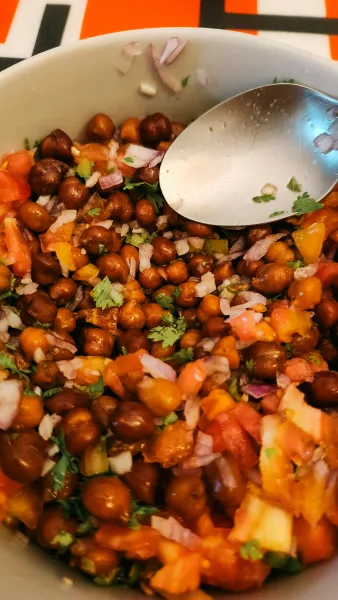
Chana Chaat
Tangy chickpea salad with potato, onion, tomato and tamarind chutney. The iftar favourite that works any afternoon.
 Pakistani
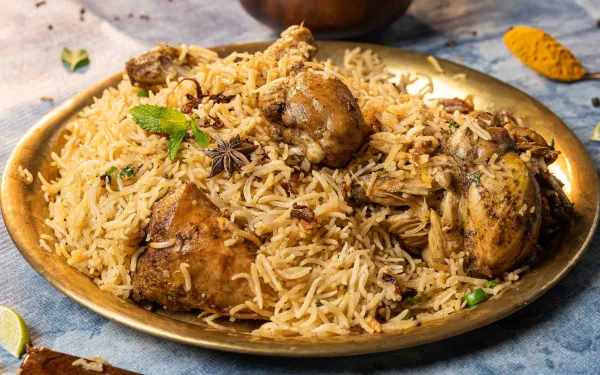
Chicken Biryani
Layers of long-grain basmati and a tangy, spiced chicken masala, steamed together until every grain stays separate. Made with potatoes and dried plums, the way many Karachi homes make it.
 Chinese
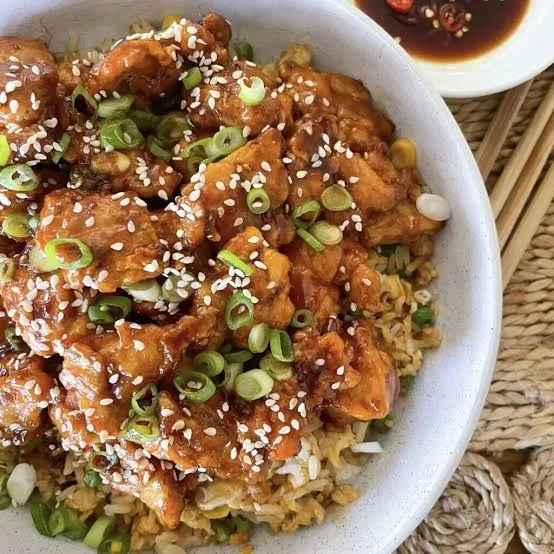
Chicken Fried Rice
Day-old rice stir-fried hot with chicken, egg, peas, carrot and soy. Faster than ordering in.
 Pakistani
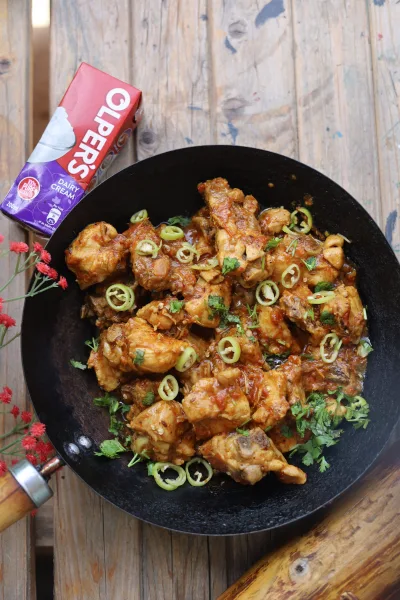
Chicken Karahi
Chicken cooked hard and fast in a wok-shaped karahi with tomatoes, green chilies and ginger. No onions, no cream, and ready in under an hour.
 Pakistani
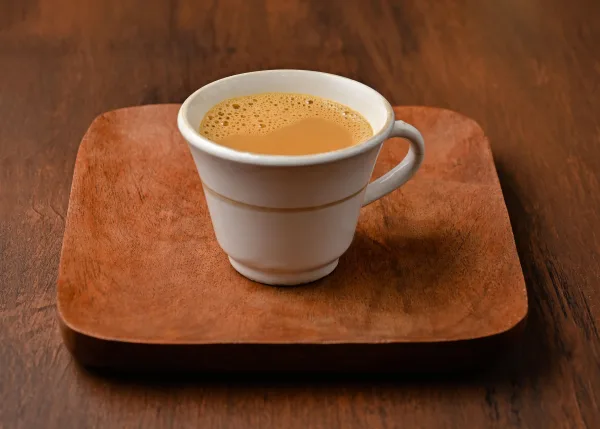
Doodh Patti Chai
Strong black tea brewed straight in milk, the way it is poured at dhabas across Pakistan. Add cardamom if you like.
 Pakistani
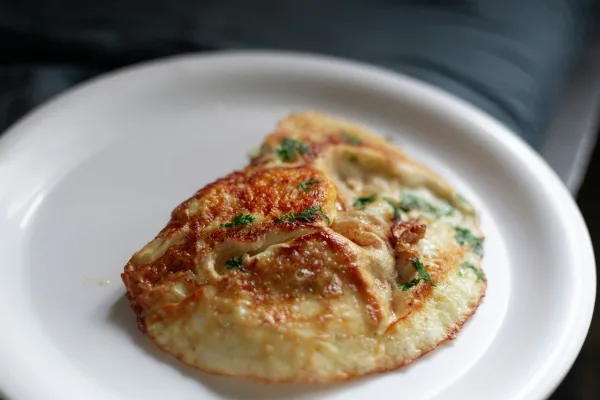
Masala Omelette
The dhaba-style omelette: eggs beaten with onion, tomato, green chili and coriander, cooked thin and folded.