 Chinese
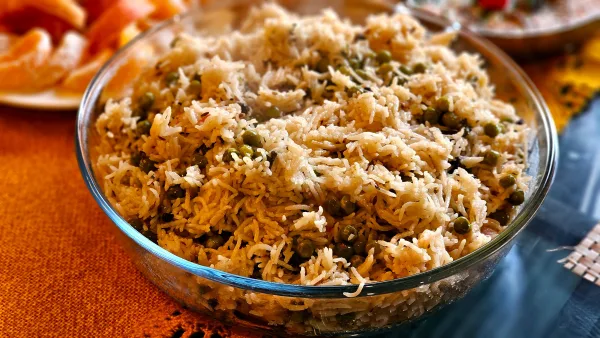
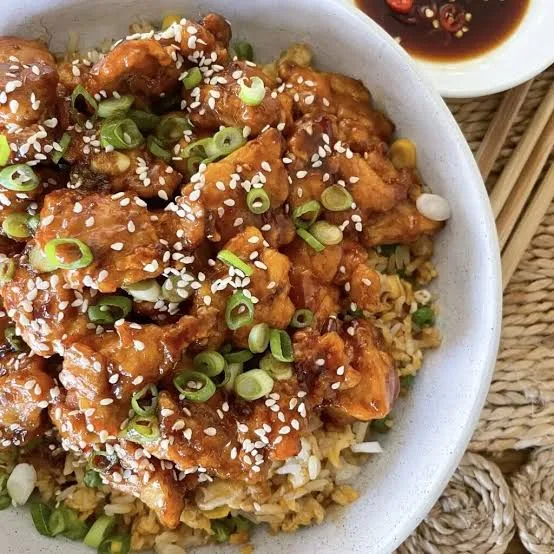
Chicken Fried Rice
Day-old rice stir-fried hot with chicken, egg, peas, carrot and soy. Faster than ordering in.
Chicken fried rice, beef bulgogi and Thai green curry show what ties this cooking together: high heat, quick timing, and sauces balanced between salty, sweet, sour and hot. Most of the work is preparation, and the cooking itself takes minutes.
ChineseDay-old rice stir-fried hot with chicken, egg, peas, carrot and soy. Faster than ordering in.
"Asian" covers many kitchens. The recipes here come from Chinese-style, Korean and Thai cooking, and they work differently from a Pakistani bhuna or karahi. There is little slow browning of onions and almost no long simmering. Instead you chop everything first, get the pan very hot, and cook fast.
Use a wok, a karahi or your widest heavy pan. Heat it until the oil shimmers and a faint wisp of smoke rises, then cook in small batches. Crowding the pan drops the temperature, and the food steams instead of frying.
Chicken Fried Rice depends on the rice more than anything else. Cook it ahead, spread it on a tray and chill it, ideally overnight. Freshly cooked, wet rice turns mushy and clumps. Long-grain basmati works well if you use slightly less water than usual, so the grains stay separate. Scramble the egg first and push it aside. Add the soy sauce at the edge of the pan so it sizzles before it hits the rice. Season in stages, because too much soy makes the rice salty and dark.
Beef Bulgogi is about thin slices and a sweet-salty marinade. Freeze the beef for about 30 minutes so you can slice it thinly across the grain. The marinade is soy sauce, sugar, garlic and sesame oil, and grated pear or apple in it helps soften the meat. Sear the beef in a hot pan in batches. The sugar browns quickly, so look for deep colour at the edges and stop before it blackens. Serve it with steamed rice and lettuce leaves for wrapping.
Thai Green Vegetable Curry starts with the paste, not onions. Fry the paste in a spoonful of oil, or in the thick cream from the top of the tin, for a couple of minutes until it smells fragrant and the oil begins to separate. Then add the rest of the coconut milk and the vegetables. Put in firm ones such as potato and carrot first, and softer ones such as zucchini, beans and capsicum later. Keep the heat at a gentle simmer, because a hard boil can make the coconut milk split.
Balance the curry at the end. Add salt or soy sauce, a little sugar, and lime juice off the heat. It should taste hot, salty, slightly sweet and sour all at once. Torn basil goes in last.
A short shopping list covers most of these dishes:
Check labels on sauces and pastes for halal status. If you cook for vegetarians, check the curry paste, since some brands contain shrimp paste.